
Opuntia tortispina
Opuntia tortispina
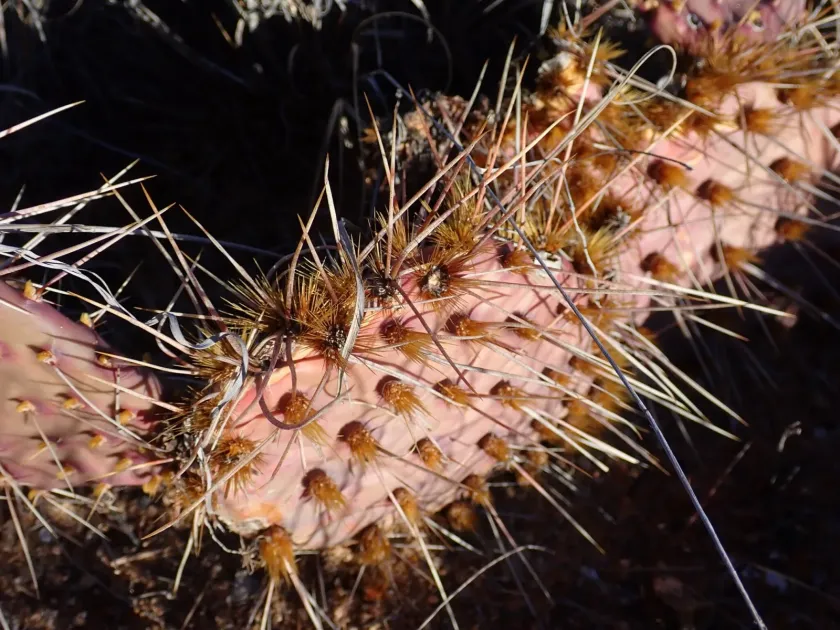
Description
Sowing dates
Opuntia tortispina belongs to the Cactaceae family. In its natural habitat, the plant propagates primarily through seeds that mature in fruits after flowering, or vegetatively via the rooting of individual stem segments, known as pads.
For agricultural cultivation, the cutting method is recommended, as it ensures higher survival rates and preserves the varietal characteristics of the plant. The optimal time for planting cuttings is late spring, when the threat of late frosts has passed and stable warm weather arrives.
Planting material must be pre-dried for several days until a callus forms on the cut. This prevents stem rot upon contact with the substrate, which is critical for protecting the crop from pathogenic flora during the adaptation phase.
Seeds, when used for propagation, require stratification to simulate natural winter dormancy. Sowing is conducted in loose sandy soil with a drainage layer, maintaining stable humidity and temperatures in the range of 20–25 degrees Celsius.
The choice of planting site must account for the necessity of intense lighting throughout the entire day. Shading leads to the etiolation of shoots, which significantly reduces the overall viability of the plant and its resistance to environmental stressors.
Growing requirements
This cactus species originates from North American regions, where it has adapted to an arid climate with pronounced seasonal temperature fluctuations. The plant exhibits a high degree of cold hardiness and can tolerate sub-zero temperatures provided the soil has adequate drainage.
The primary soil requirement is high permeability and the absence of water stagnation. Ideal conditions are provided by sandy loam or rocky soils with a neutral to slightly alkaline reaction, avoiding heavy clay fractions.
The crop is extremely sensitive to excessive moisture, especially during the dormant season. Irrigation must be moderate and strictly regulated, aiming for the complete drying of the soil ball between waterings to prevent the development of root rots.
During the active growing season, Opuntia responds well to mineral fertilizers with low nitrogen content. An excess of nitrogen compounds promotes loose tissue growth, making the plant more vulnerable to physical damage and secondary infections.
The plant possesses a powerful root system capable of extracting water from deep soil layers. When cultivating, one must account for the space required for root development, ensuring a spacing of at least 50–70 centimeters between bushes for proper air circulation.
Main diseases and pests
The primary pest for Opuntia tortispina in cultivation is the mealybug. The pest hides in the folds of the stem and between spines, sucking sap and hindering the overall development of the plant, necessitating timely treatment with systemic insecticides.
Spider mites can cause significant damage in dry and hot air conditions, causing yellow spots and corking of the epidermis. Prevention consists of maintaining an optimal humidity regime and conducting regular inspections of the bushes.
Fungal infections, such as Fusarium and Phytophthora, develop mainly when irrigation protocols are violated. Water stagnation triggers tissue softening, which rapidly leads to the death of the entire segment or the whole plant.
Bacterial rot appears as dark, weeping spots spreading across the stem. Affected areas require immediate removal, including healthy tissue, after which the cut sites are treated with antiseptic agents, such as charcoal powder.
Root-knot nematodes pose a hidden threat, damaging the vascular system of the roots. Control is difficult, so the foundation of protection remains the use of sterilized substrate and adherence to strict quarantine rules for any new specimens.