
Hatiora
Hatiora
Hatiora is a genus of epiphytic cacti belonging to the Cactaceae family. These plants are native to the tropical forests of Brazil, where they naturally thrive in moist, shaded environments, typically growing on trees or in rocky outcrops.
What the section contains


Hatiora
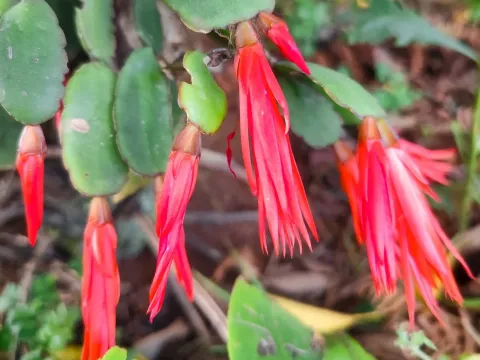
Botanically, Hatiora is characterized by its segmented, branching stems that can vary significantly in appearance between species, ranging from club-shaped to bottle-like segments. The plant produces delicate, colorful flowers that emerge from the terminal ends of the stem segments.
To cultivate Hatiora successfully, it is essential to mimic its natural environment by providing bright, indirect sunlight. Exposure to harsh, direct midday sun can result in chlorosis or severe sunburn, which irreparably damages the succulent tissues.
The optimal growing medium should be highly porous and well-draining, similar to substrates used for orchids or other epiphytes. A mixture consisting of peat moss, perlite, and bark is ideal for maintaining the necessary root aeration while providing sufficient moisture retention.
Temperature requirements are generally moderate, with the plant preferring 18–24°C during the growing season. A cooler period during late autumn and winter is often necessary to stimulate the formation of flower buds for the upcoming spring season.
The most significant threats to Hatiora are fungal pathogens, which are primarily facilitated by poor drainage and stagnant water around the root zone. Root rot and stem blight are common results of improper watering schedules that do not allow the soil to dry out sufficiently.
Insect pests such as mealybugs, spider mites, and scale insects frequently infest these cacti. These pests prefer the sheltered crevices between stem segments, where they can feed on the plant's sap and significantly weaken its vitality over time.
Effective pest management involves using systemic insecticides or horticultural oils specifically formulated for delicate succulent plants. Careful application is required to ensure that the treatment penetrates the dense stem clusters where pests tend to hide.
Cultural prevention includes providing excellent airflow around the plant to discourage the development of fungi and mites. Removing dead or severely infested segments is a critical step in managing localized pest outbreaks before they spread to the entire plant.
Regular sanitation of the growing area and the use of sterilized potting tools are essential to maintain the health of the collection. Always inspect new plants thoroughly for signs of infestation before placing them in close proximity to established specimens.