
Kadenicarpus pseudomacrochele
Kadenicarpus pseudomacrochele
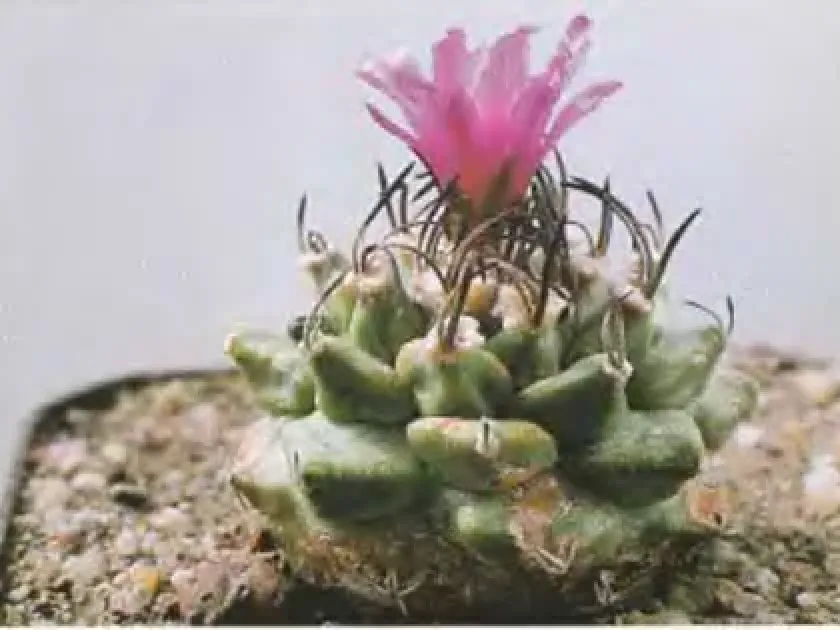
Description
Sowing dates
The sowing of Kadenicarpus pseudomacrochele seeds is primarily performed in spring when light intensity increases, promoting better germination. The optimal temperature for the process ranges between +22 and +26 degrees Celsius.
The substrate must be extremely light and sterile to prevent fungal infections in young seedlings. A mixture of river sand, perlite, and a small portion of peat is recommended for successful development.
Seeds should be sown superficially, lightly covered with a thin layer of sand rather than buried deep. It is crucial to maintain stable air humidity by using a transparent cover to create a miniature greenhouse effect.
Once the first spines emerge, the seedlings are gradually acclimated to drier air by daily airing of the container. Pricking out is recommended no sooner than one year after germination once the plants are sturdy.
Using a bottom-heating system for seed trays is a common professional practice that ensures uniform and rapid root system development during the early life stages of the plant.
Growing requirements
Kadenicarpus pseudomacrochele is a slow-growing member of the Cactaceae family, native to the arid regions of Mexico. This plant prefers bright, indirect light and requires protection from harsh, direct sunlight during the peak of the day.
The soil must have excellent drainage, as waterlogging is the most critical factor for the plant's health. An ideal medium consists of a blend of sod soil, leaf humus, and coarse sand in equal proportions.
During the active growth season, the plant requires moderate watering only after the top layer of the substrate has completely dried out. In the winter dormancy period, watering should be ceased, and temperatures kept between +10 and +12 degrees Celsius.
The species is sensitive to sudden temperature fluctuations and cold drafts, making it suitable primarily for greenhouse or indoor cultivation in non-native climates.
Regular mineral fertilization using specialized low-nitrogen cactus formulas helps maintain the plant's natural compact form and promotes long-term physiological stability.
Main diseases and pests
The primary threat to this species is root rot, which typically stems from excessive moisture and poor substrate aeration. Affected plants require immediate re-potting and the removal of all necrotic tissue.
Spider mites are a major pest threat, especially in hot and dry indoor conditions. Effective control measures involve the application of systemic acaricides in strict accordance with the product labels.
Mealybugs can also infest the plant, settling in the crevices between spines. In the early stages of infestation, mechanical removal using an alcohol-soaked swab is highly effective.
Preventative care involves regular inspection of the plants and disinfection of gardening tools to avoid pathogen transmission. Maintaining a clean growing environment is essential to prevent mold and fungal outbreaks.
- Regular monitoring of the root crown
- Ensuring proper drainage in pots
- Using fungicides as a preventative measure