
Kadenicarpus horripilus
Kadenicarpus horripilus
Description
Growing requirements
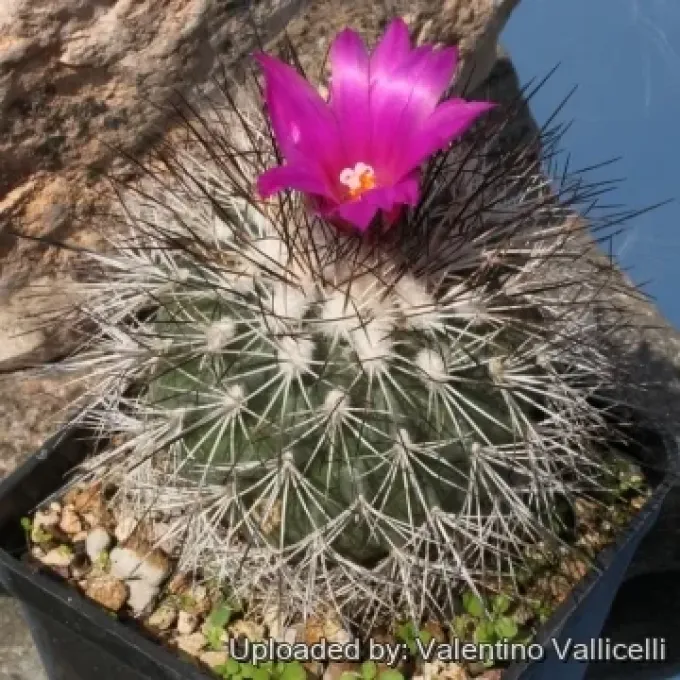
Kadenicarpus horripilus is a distinct species belonging to the Cactaceae family, known for its small, tuberculate body structure. Originating from Mexico, specifically the states of Hidalgo and Queretaro, this plant has adapted to rocky, well-draining substrates.
The cultivation of this species requires a highly mineralized growing medium. A blend of pumice, lava rock, and coarse sand provides the necessary aeration and prevents excessive moisture retention in the root zone.
Regarding climate, the plant demands significant light exposure to maintain its compact growth form and density of spines. Providing adequate ventilation is crucial to mimic its natural high-altitude environment and prevent physiological disorders.
Irrigation must be strictly managed, following a cycle that allows the substrate to dry out completely between waterings. During the winter dormancy phase, water should be withheld entirely to ensure the plant enters a period of rest, which is vital for spring flowering.
In terms of usage, this cactus is highly valued in specialized collections and by botanical institutions. Propagation is primarily achieved through seeds, although growth is notoriously slow, requiring patience and technical precision.
Main diseases and pests
Root rot is the primary physiological threat, usually caused by improper soil moisture levels or poor quality potting mixes that do not drain effectively.
Pests such as mealybugs and spider mites are frequent invaders, particularly in greenhouse conditions where air circulation might be insufficient.
To mitigate disease risks, avoid using high-nitrogen fertilizers, which cause rapid, weak tissue growth susceptible to fungal infections.
Integrated pest management, including the use of systemic insecticides, is recommended if an infestation is detected on the plant body.
Proper sanitation of tools and pots is an essential agricultural practice to maintain the health of these sensitive, slow-growing succulents.