
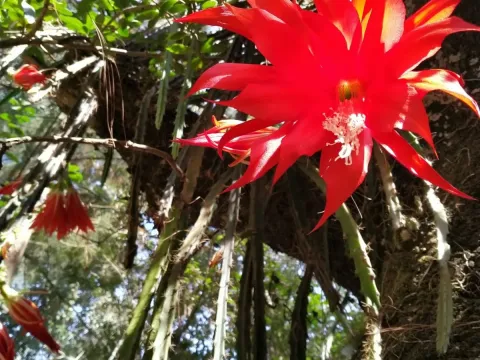
Heliocereus
Heliocereus
Heliocereus is a genus of epiphytic or lithophytic cacti belonging to the Cactaceae family. Native to the tropical forests of Mexico and Central America, these plants typically grow on tree trunks or rock crevices, reflecting their need for specialized drainage and aeration.
What the section contains


Heliocereus
The culture requires bright, indirect sunlight to thrive. While they appreciate high light levels, direct harsh sun can damage the succulent stems. Optimal temperatures for the vegetative period range between 20°C and 25°C, ensuring robust growth and development.
Soil composition is critical for this species; it must be porous and well-draining. A suitable mix includes organic matter like leaf mold, combined with coarse sand, perlite, and charcoal to prevent waterlogging and promote a healthy root environment.
Regular watering is necessary during the active growing season, but the soil should be allowed to dry out between waterings. During winter, a dormancy phase is essential, where temperatures should be lower, and water supply significantly restricted to mimic natural dry cycles.
Botanically, Heliocereus is defined by its ribbed, often trailing stems and striking, funnel-shaped flowers. The blossoms are typically vibrant red or crimson, which is a key trait for their classification and horticultural value in greenhouse collections.
Common pests affecting Heliocereus include spider mites, which thrive in dry air, and mealybugs that congregate in the crevices of the stems. Early identification and the use of appropriate systemic insecticides are essential for effective management.
Root rot and stem necrosis are the most prevalent diseases associated with this genus, usually caused by overwatering or poor soil drainage. These conditions weaken the plant's structural integrity and often lead to systemic infection if left untreated.
Maintaining proper hygiene by removing dead plant matter and ensuring good airflow prevents fungal outbreaks. In cases of localized rot, surgical excision of the infected tissue followed by the application of antifungal powder is the standard remedial action.
Inadequate light exposure often leads to etiolation, where stems become thin and weak. This physiological stress makes the plant more susceptible to opportunistic pathogens and reduces its ability to produce flower buds during the subsequent season.
Preventative care also involves careful handling during potting, as any damage to the epidermis can facilitate the entry of pests or fungi. Always use sterilized tools when pruning or propagating to ensure the health of the cactus colony.