
Harrisia tortuosa
Harrisia tortuosa
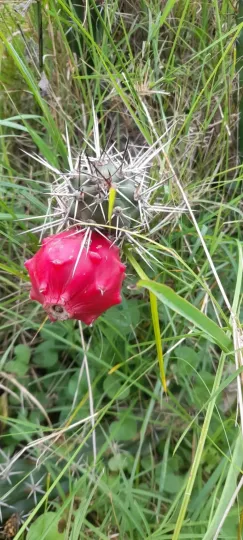
Description
Growing requirements
Harrisia tortuosa is a perennial shrubby cactus belonging to the Cactaceae family. It is native to the arid landscapes of Argentina and Uruguay, where it has evolved to thrive in nutrient-poor soils and under conditions of prolonged solar exposure.
Botanically, the plant is distinguished by its curved, cylindrical stems that feature prominent ribs and sharp spines. These physical traits serve as a defense mechanism and an adaptation strategy to conserve water within the succulent tissues during periods of extreme drought.
Successful cultivation of Harrisia tortuosa requires a highly porous and well-draining soil medium. A standard mix usually includes volcanic rock, coarse sand, and a small percentage of organic matter to mimic the natural rocky habitats of the species, ensuring that no moisture remains trapped near the root collar.
The plant thrives in full sunlight, which is necessary to maintain its structural integrity and encourage healthy growth. In indoor settings, placing the cactus near a south-facing window is ideal to meet its light requirements, provided the air circulation is sufficient to prevent overheating.
Watering protocols are essential for the survival of the plant. During the active growing season, deep but infrequent watering is recommended, allowing the substrate to dry out completely between sessions. In winter, the plant enters a dormant phase and should be kept almost dry to prevent potential rot.
Main diseases and pests
The primary concern for Harrisia tortuosa is moisture-related pathogen infection. Root rot, caused by fungal pathogens such as Phytophthora, is a common issue when the soil remains consistently damp or when the drainage system is inadequate for the volume of water provided.
Mealybugs are the most frequent insect pests. These pests tend to congregate in the areoles of the cactus, utilizing their mouthparts to drain the plant's sap. Their presence often leads to stunted growth and increased susceptibility to secondary infections.
Spider mites can also be problematic, particularly in environments with poor humidity levels. They feed on the epidermis of the stem, leaving behind pale, stippled areas that reduce the photosynthetic efficiency of the plant over time.
Chemical control measures, such as the application of specialized systemic insecticides or miticides, are effective for eradicating infestations. However, cultural control methods like ensuring proper spacing and hygiene are the first line of defense in maintaining a healthy collection.
Periodic monitoring of the stem's surface for color changes or cottony deposits is advised. Early detection of pests or rot allows for localized treatment, significantly improving the chances of full recovery and preventing the spread to adjacent specimens.