
Heliocereus speciosus
Heliocereus speciosus
Description
Growing requirements
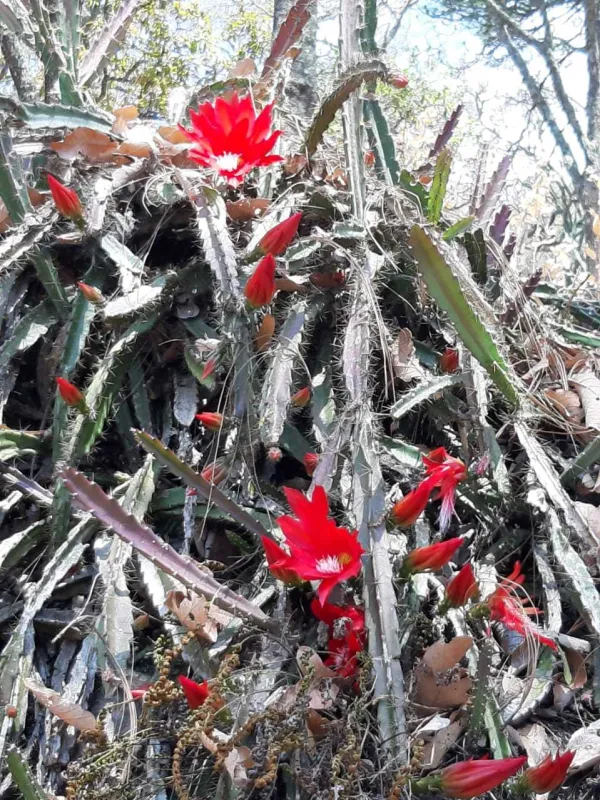
Heliocereus speciosus is a striking species belonging to the Cactaceae family. Originating from the mountainous regions of Mexico, this cactus is known for its sprawling habit and impressive, vibrant flowers that appear during the warmer months.
The agronomic requirements for this crop focus on soil structure and drainage. It thrives in a mix that prevents root saturation, typically comprising loam, leaf mold, and a high percentage of pumice or coarse sand to ensure optimal aeration.
Climatic preferences include high light intensity, although protective screening is recommended during intense summer heat. Maintaining a balanced environment with moderate humidity prevents the desiccation of the photosynthetic stems while supporting plant vigor.
Cultivation practices involve distinct seasonal cycles. During the active growth phase, consistent watering is essential as the soil dries, whereas the winter rest period requires significantly reduced irrigation to mimic the plant's natural dormant state.
Its primary commercial application is the ornamental market. Due to its rapid growth rate and large, showy flowers, it is a preferred species for botanical gardens, private conservatory collections, and interior landscaping projects.
Main diseases and pests
The crop is susceptible to common succulent pests such as mealybugs and spider mites. Infestations typically occur when the plant is stressed by poor air circulation or improper environmental conditions, requiring prompt intervention with acaricides.
Pathogenic threats include various forms of fungal rot, particularly affecting the root zone and basal stem. Effective management strategies involve the use of sterile growing media, proper drainage, and the avoidance of overhead watering during cool periods.