
Harrisia bonplandii
Harrisia bonplandii
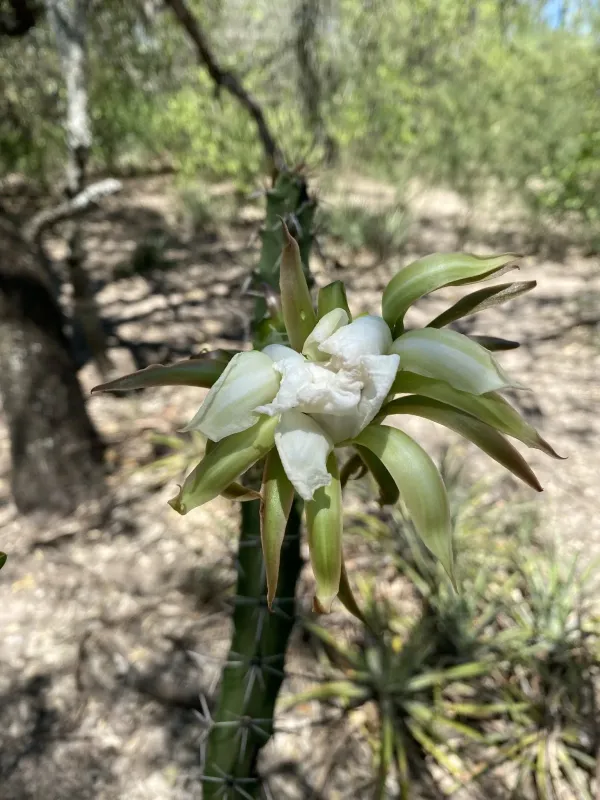
Description
Growing requirements
Harrisia bonplandii is a succulent perennial plant belonging to the Cactaceae family. Native to South America, particularly Argentina, Paraguay, and Bolivia, it naturally thrives in dry forests and shrublands where it adapts to significant temperature fluctuations.
Botanically, the plant is characterized by its long, sprawling, or climbing stems. These stems are typically ribbed and protected by numerous spines, which help the plant retain moisture and deter herbivores in its arid habitat.
In terms of agricultural requirements, the species demands well-draining, sandy, or rocky soil. The soil pH should be neutral to slightly acidic to optimize nutrient uptake, and excellent soil aeration is essential to prevent root rot.
The plant is highly heliophilic, meaning it requires intense sunlight to thrive and produce flowers. It is adapted to warm climates and should be protected from frost, as even minor freezing temperatures can severely damage the stem tissue.
Agrotechnical management includes controlled irrigation during the growth phase and a dry rest period in winter. Propagation is typically achieved via stem cuttings or by sowing seeds in a well-warmed substrate, ensuring constant humidity for germination.
Yield
The primary agricultural utility of Harrisia bonplandii lies in the production of edible fruit. These fruits are juicy, often bright-colored berries filled with sweet pulp and numerous small seeds, which are consumed locally.
Crop yield is heavily dependent on the plant’s health and the age of the specimen. Mature plants, typically three to five years old, are the most productive, provided they receive adequate light and balanced fertilization with phosphorus and potassium.
Flowering usually occurs in the warmer seasons, and successful pollination is crucial for fruit set. In controlled environments, human-assisted or pollinator-friendly management is encouraged to maximize the number of fruits per plant.
Harvesting is performed manually once the fruits reach full maturity, indicated by a softening of the outer skin. Proper handling during and after harvest is essential to prevent bruising and to maintain fruit quality for market sale.
Beyond fruit production, the species holds significant value in the nursery industry. Its unique morphological structure makes it a popular choice for xeriscaping and ornamental garden design in arid regions globally.
Main diseases and pests
The major threats to Harrisia bonplandii plantations are fungal pathogens such as Fusarium and various types of root rot. These diseases are almost exclusively caused by excessive moisture and poor air circulation within the planting area.
Pests such as mealybugs, scale insects, and spider mites pose a constant challenge to crop health. They pierce the succulent tissue, sucking vital sap and creating wounds that facilitate the entry of secondary bacterial infections.
Integrated Pest Management (IPM) is the most effective approach, involving regular monitoring and the selective use of systemic insecticides and fungicides. Maintaining high hygiene standards and disinfecting tools between operations is mandatory.
In humid areas, protection from slugs and snails is necessary, as they can rapidly devour the soft tissue of new sprouts. Physical barriers like crushed rock or specialized molluscicides are standard control measures.
Environmental stress, such as extreme humidity combined with low light, can cause physiological disorders. Farmers are advised to prioritize spacing between rows to ensure sufficient airflow, effectively reducing the risk of disease outbreaks.