
Heliocereus cinnabarinus
Heliocereus cinnabarinus
Description
Growing requirements
Heliocereus cinnabarinus is a distinct species of the Cactaceae family, native to the tropical forests of Mexico and Guatemala. As an epiphytic or semi-epiphytic plant, it naturally develops long, ribbed stems that cascade downward, making it a highly attractive specimen for hanging baskets and tall planters.
The stems of this plant are typically characterized by 3 to 5 prominent ribs and are adorned with spines clustered in areoles. These physiological adaptations allow the plant to thrive in canopy environments, where it receives dappled sunlight filtering through the overhead vegetation.
Cultivation requires a well-draining, nutrient-rich substrate, preferably with a base of organic matter like peat or bark. The plant thrives in temperatures ranging from 22°C to 26°C during the active growing season. Adequate ventilation is essential to mimic the forest air circulation and prevent physiological stress.
Watering must be frequent enough to maintain slightly moist soil, but the drainage must be perfect to prevent root rot. During the winter dormancy, watering should be significantly reduced and temperatures lowered to about 12–15°C, which is a critical trigger for the subsequent blooming process.
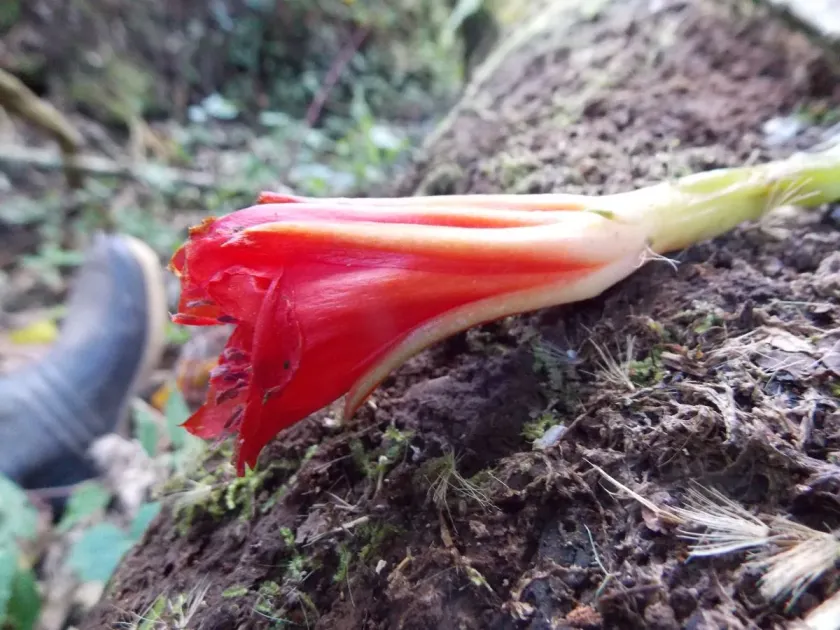
The economic and ornamental use of this cactus centers on its large, vibrant, cinnabar-red flowers. These flowers are highly prized by hobbyists and are frequently used in hybridization programs to develop more robust and visually stunning varieties of epiphytic cacti.
Main diseases and pests
The primary pests affecting Heliocereus cinnabarinus include mealybugs and spider mites. These pests thrive in indoor conditions, especially if the air humidity is too low for the plant's health.
Fungal pathogens associated with overwatering represent the most significant threat to the root system. Proper drainage and soil sterilization prior to potting are the most effective preventative measures against these common health issues.