
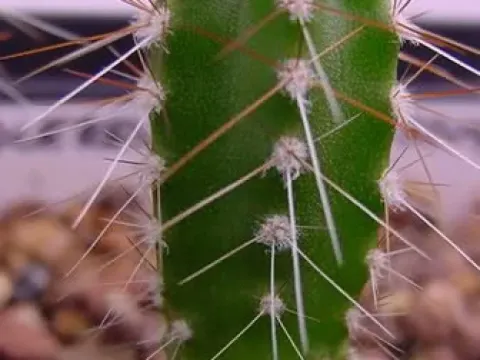
Harrisia
Harrisia
Harrisia is a genus belonging to the family Cactaceae. These plants are native to tropical and subtropical regions of the Americas, including the Caribbean islands, Florida, and various parts of South America.
What the section contains

Harrisia
The cultivation of Harrisia requires well-draining, sandy or rocky substrates. As with most cacti, the primary agricultural concern is preventing waterlogged soil, as the root system is highly prone to rot if moisture levels remain high for extended periods.
These plants thrive in full sun but may require partial shading during peak summer heat to prevent epidermal scarring. The optimal growth temperature ranges between 20 and 30 degrees Celsius; frost protection is mandatory for the survival of the culture.
Watering schedules should follow the "soak and dry" method, allowing the substrate to dehydrate completely between applications. During winter dormancy, watering should be significantly reduced to match the natural resting cycle of the plant.
Botanically, Harrisia species are known for their sprawling or semi-erect stems. They produce large, nocturnal white flowers that provide a high aesthetic value while also serving as the precursors to the fruit development.
The economic value of Harrisia is centered on its edible fruits. Many species, such as Harrisia martinii, yield fleshy, vibrant berries with seeds embedded in sweet or sub-acid pulp, often compared to the taste of dragon fruit.
Harvesting is typically done when the fruit reaches full coloration, which varies from red to yellow depending on the specific species. Fruits must be harvested carefully to avoid damaging the delicate stems which are often protected by thin spines.
While not a major commercial crop, Harrisia is gaining interest in niche markets for exotic produce. Its potential yield is dependent on proper cross-pollination, as many species are self-sterile and require genetic diversity to set fruit.
Post-harvest handling is critical, as the fruits are perishable and have thin skins that can easily rupture. Immediate consumption or local distribution is recommended for the best quality experience.
To improve yields, fertilizers with a higher ratio of phosphorus and potassium should be applied during the budding stage, while nitrogen should be kept minimal to ensure structural integrity and fruit sweetness.
Fungal pathogens are the most significant threat to Harrisia, often resulting from poor airflow or excessive soil moisture. Root rot is the most common condition, which, if not treated early with fungicides, can lead to the total collapse of the plant.
Mealybugs are the primary pests affecting these cacti. They cluster in the areoles of the stems, where they are difficult to reach with standard contact sprays. Systemic insecticides are often preferred for effective control.
Spider mites can also cause significant damage during periods of low humidity. These pests feed on the surface tissue, leaving behind discolored patches and stunted growth that can impact the plant's overall vitality.
Root aphids pose a hidden danger by feeding on the root system, often going unnoticed until the plant shows signs of severe stress or yellowing. Regular soil inspections are necessary for proactive management.
Agricultural safety measures include maintaining good hygiene in growing areas, strictly controlling irrigation volumes, and ensuring that all newly introduced plant materials are quarantined before integration.