
Hatiora cylindrica
Hatiora cylindrica
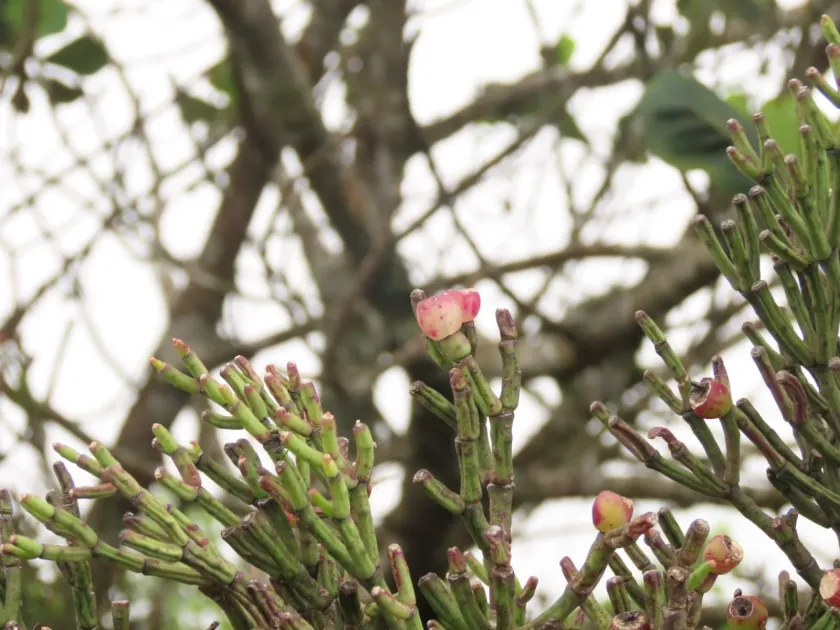
Description
Growing requirements
Hatiora cylindrica is an epiphytic cactus belonging to the Cactaceae family. Native to the rainforests of Brazil, this species is naturally adapted to growing on tree branches or in rocky crevices, where it absorbs nutrients from accumulated organic debris and high atmospheric humidity.
The plant thrives in bright, indirect light conditions. In indoor settings, it should be positioned near east or west-facing windows to ensure sufficient light without the risk of scorching the delicate, segmented stems that characterize this exotic plant.
Cultivation requires a highly porous and well-draining soil mix. A mixture consisting of peat moss, perlite, and pine bark is recommended to mimic the natural epiphytic environment, ensuring that the root system remains aerated while maintaining adequate moisture levels.
Temperature management is vital for the growth cycle. During the growing season, it prefers temperatures ranging from 18 to 24 degrees Celsius. A cooler period during winter, with temperatures dropping slightly, is essential to initiate the blooming phase in spring.
Watering should be approached with caution to avoid waterlogging the soil. The substrate must be allowed to dry out significantly between irrigation events to prevent root decay. During the dormant winter phase, watering should be restricted to prevent physiological stress.
Main diseases and pests
Common horticultural threats include fungal pathogens such as Pythium and Phytophthora, which flourish in waterlogged conditions. These pathogens cause stem base rot, which can spread rapidly if cultural practices are not strictly monitored or if the soil lacks proper drainage.
Pests like mealybugs and spider mites are frequently observed in dry indoor environments. Integrated pest management, including regular inspection and the application of neem oil or insecticidal soap, is effective in maintaining plant health and preventing severe infestations.