
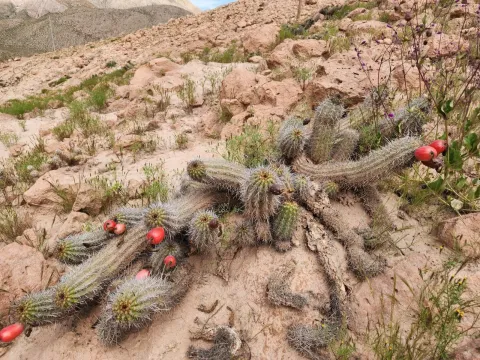
Haageocereus
Haageocereus
Propagation of Haageocereus by seed requires a consistent temperature range of 20–25 degrees Celsius. Early spring is the most favorable time for sowing, as it aligns with the natural increase in sunlight hours for growing seedlings.
What the section contains


Haageocereus
Use shallow containers with excellent drainage, filled with a sterilized mixture of sand and peat. Keeping the substrate consistently moist during the germination phase is critical, usually achieved by covering the container with a lid.
Once seedlings emerge, they must be gradually acclimated to ambient air. Proper ventilation is essential at this stage to prevent fungal growth, which can quickly devastate young, sensitive plants.
Vegetative propagation via cuttings is a common method for mass production. Cuttings should be allowed to callous in a dry, shady spot for several days before being planted into a mineral-based rooting medium.
It is vital to use fertilizers specifically formulated for cacti with low nitrogen levels. Excessive growth stimulation often leads to etiolation, where the plant becomes weak and loses its natural architectural structure.
Haageocereus belongs to the Cactaceae family, originating from the arid coastal regions of Peru and Chile. This genus is highly adapted to extreme sunlight and the sparse rainfall characteristic of the Atacama desert environment.
These plants demand high light intensity to thrive. Ideally, they should be placed in locations with direct sunlight to maintain compact growth and encourage the development of their characteristic dense spines.
The potting medium must be highly porous and well-draining. A mix of coarse sand, gravel, and perlite is recommended over nutrient-rich organic soils to prevent root rot and ensure proper aeration.
Watering should be frequent during the active growing season, provided the soil dries out completely between sessions. During the winter dormancy, watering should be reduced to a minimum to mimic the plant's natural cold-dry cycle.
Temperature control is essential; while they prefer warmth during summer, a cool dormant period (10–15 degrees Celsius) in winter is crucial to stimulate the development of flower buds for the next season.
Root rot caused by overwatering is the most significant threat to Haageocereus health. Once the internal tissues are affected by decay, recovery is often difficult, making drainage management the top priority for growers.
Pests such as spider mites and mealybugs frequently hide among the dense spines, making them difficult to detect. Regular inspection and systemic insecticide treatments are necessary to keep the collection pest-free.
Fungal infections can also occur if humidity levels remain too high for extended periods. Good air circulation in the greenhouse or growing room acts as the primary preventative measure against most pathogens.
Mechanical damage to the succulent epidermis can lead to bacterial infections. Always treat any physical wounds with crushed charcoal or a specialized fungicide to prevent tissue necrosis from spreading.
Maintaining a clean growing environment, including the use of sterilized pots and tools, minimizes the risk of introducing pathogens into a collection of these specialized desert plants.