
Haageocereus versicolor
Haageocereus versicolor
Description
Growing requirements
Haageocereus versicolor is a perennial succulent belonging to the Cactaceae family. Originating from the arid coastal regions of Peru, this species is well-adapted to rocky environments and intense ultraviolet light exposure.
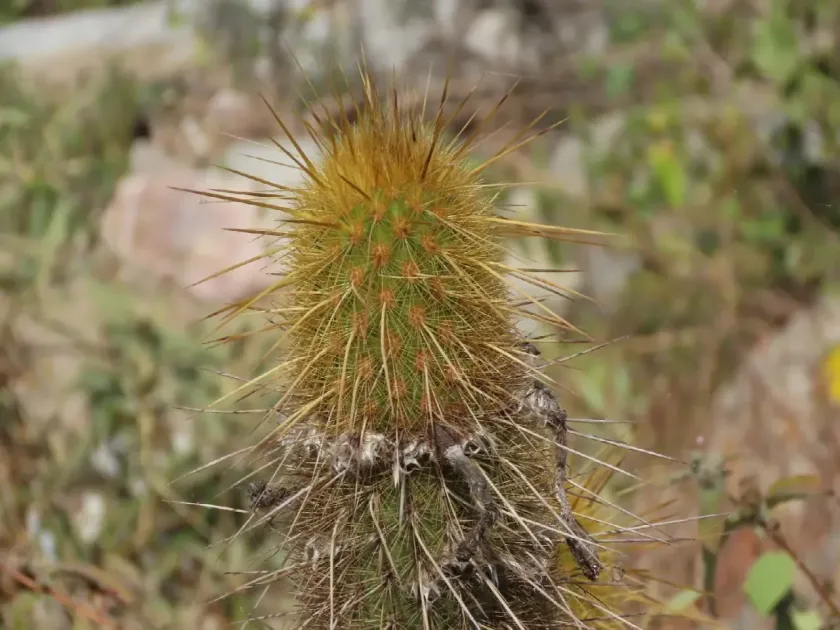
The plant features a distinct columnar growth habit. Its aesthetic value is derived from its dense spination, which exhibits a variety of colors, ranging from golden yellow to deep reddish-brown depending on the maturity of the plant.
Cultivation requires a location with maximum sunlight exposure. Adequate light is essential for maintaining the plant's structural integrity and promoting the healthy development of its characteristic colorful spines.
Regarding soil requirements, this cactus thrives in a porous, fast-draining substrate. A mix consisting of mineral-based components, such as volcanic rock, coarse sand, and perlite, is highly recommended to prevent stagnant water at the roots.
In terms of temperature, the species prefers warm summers and a distinct cool, dry winter resting period. During the winter, temperatures should ideally hover around 10 to 12 degrees Celsius to mimic its native dormant phase.
Main diseases and pests
The most significant threat to Haageocereus versicolor is root rot, typically caused by overwatering or soil that lacks proper aeration. Once rot reaches the core of the plant, it becomes extremely difficult to treat.
Mealybugs are common pests that target the areoles and areas between the ribs. These sap-sucking insects can severely weaken the cactus if not addressed with prompt biological or chemical intervention.
Spider mites represent another risk factor, especially during hot and dry spells. These pests produce fine webs and cause characteristic yellow stippling on the succulent's surface, which significantly reduces its ornamental value.
Disease management involves regular inspections for signs of infestation or fungal decay. Maintaining a clean cultivation environment and ensuring proper air circulation around the plants is essential for prevention.
In case of severe infestations, targeted use of acaricides or systemic insecticides is advised. Always ensure that the soil remains dry for several days after any chemical application to avoid plant stress.