
Haageocereus decumbens
Haageocereus decumbens
Description
Growing requirements
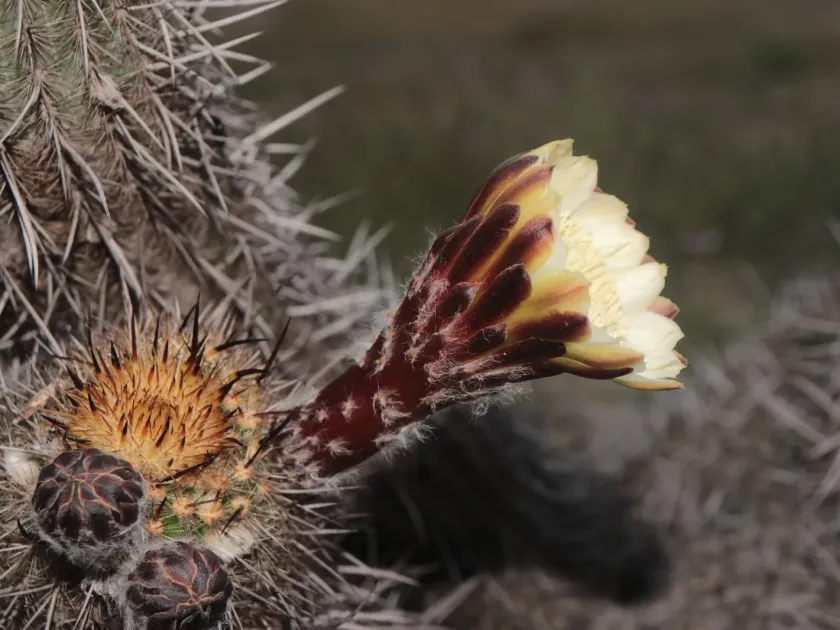
Haageocereus decumbens is a notable species within the Cactaceae family, native to the arid coastal regions of Peru. It is well-adapted to rocky environments where water scarcity is common.
The plant is characterized by its decumbent, sprawling growth habit, which allows it to cover ground in its natural habitat. Its body is heavily armed with spines, serving as a survival mechanism against extreme sun and animals.
In cultivation, this plant requires high light intensity to maintain its characteristic structure and dense spine coverage. It thrives in locations with direct sun, mimicking its native arid desert conditions.
The substrate must be highly porous and inorganic. A professional cactus mix, heavily amended with coarse sand, gravel, and pumice, is essential for promoting healthy root development and preventing rot.
Watering frequency should be minimal, only occurring during the growing season when the soil is completely dry. During the winter, the plant requires a cool, dry dormant period to facilitate future blooming.
Main diseases and pests
The primary threat to Haageocereus decumbens is root rot caused by stagnant water in the soil. Constant moisture creates a lethal environment for the root system, leading to rapid tissue death.
Common pests include mealybugs and spider mites, which are particularly attracted to the hidden crevices between the spines, making them difficult to eradicate once an infestation begins.
Fungal infections can also occur if the humidity levels remain too high without adequate air circulation, leading to unsightly scarring on the epidermis of the stems.
Regular monitoring is advised to detect pests early. Using appropriate horticultural oils or systemic insecticides can manage outbreaks while avoiding damage to the sensitive cactus tissue.
Ensuring proper airflow and maintaining a strict dry winter regime are the best defensive measures against both biotic and abiotic stressors for this species.