
Haageocereus fascicularis
Haageocereus fascicularis
Description
Growing requirements
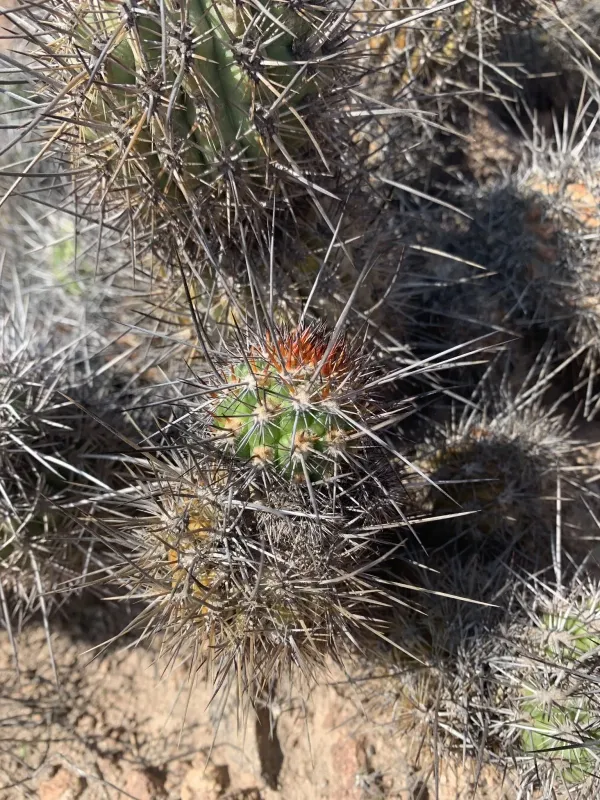
Haageocereus fascicularis is a distinctive columnar cactus belonging to the Cactaceae family. Known for its clustered growth habit, it features intricate spines that provide protection and help trap moisture from atmospheric sources in its native environment.
Originating from the arid coastal regions of Peru, this species is highly adapted to nutrient-poor, rocky substrates. Its biological structure allows it to survive prolonged droughts, relying on minimal water intake and high thermal fluctuations.
For successful cultivation, a specialized potting mix is required. It should consist of high-quality mineral components, such as coarse sand, pumice, or expanded clay, to ensure rapid water drainage and prevent any standing water in the root zone.
Light requirements are stringent, as this cactus needs maximum exposure to direct sunlight. Insufficient light leads to etiolation, where the stem becomes thin, weak, and loses its structural integrity, making it susceptible to structural failure.
The climate requirements involve a warm, dry summer season and a cool, dry winter resting period. Proper air circulation around the plant is essential to prevent moisture buildup within the spine clusters, which can trigger localized rot.
Main diseases and pests
The primary pests affecting Haageocereus fascicularis are mealybugs and spider mites. These insects thrive in dry environments and can easily hide within the dense spine clusters, making them difficult to detect until an infestation is well-established.
Fungal pathogens are the most common cause of mortality in this species. Root rot, induced by excessive irrigation or poorly draining soil, destroys the root system, often resulting in sudden collapse of the main stem.
Prevention involves strict adherence to a dry-cycle regimen. During the winter, irrigation should be almost entirely suspended, and the plant should be kept in a well-ventilated area to allow the soil to remain completely dry.
When treating for pests, avoid oil-based sprays that may damage the cactus's epidermis or aesthetic appearance. Systemic insecticides applied via soil drench are generally safer and more effective for deep-seated infestations.
Regular sanitation of tools used for handling and repotting is essential. By maintaining a clean environment and ensuring optimal light and ventilation, growers can significantly reduce the risk of common cactus diseases and pest outbreaks.