
Gymnocalycium striglianum
Gymnocalycium striglianum
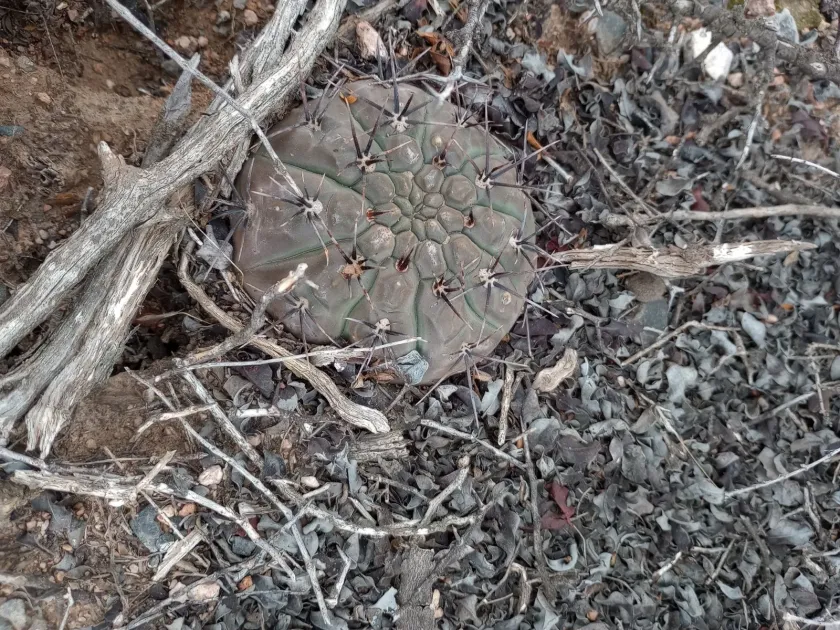
Description
Sowing dates
The propagation of Gymnocalycium striglianum is primarily achieved through seeds, as offsets are rarely produced. The best time for sowing is early spring to ensure the seedlings have a long growing season to establish themselves before winter.
Use a fine, sandy substrate that has been sterilized to prevent fungal growth. Seeds should be sown on the surface and pressed lightly into the soil, keeping the environment humid and covered until germination occurs.
Maintain a temperature range between +22 and +26 degrees Celsius for optimal germination rates. Consistent, indirect light is necessary for the seedlings to thrive without becoming etiolated or weak.
Once seedlings emerge, gradual ventilation is crucial to harden them off. This process involves slowly increasing exposure to ambient air over several weeks to build the resilience of the young cacti.
Patience is required as these cacti grow slowly. Transplanting should be done only when the root system is well-developed, ensuring that the new pot size is proportional to the size of the plant.
Growing requirements
Gymnocalycium striglianum is a species belonging to the Cactaceae family, native to the arid regions of Mendoza, Argentina. It is highly valued by collectors for its compact, globose shape and distinctive floral display.
This plant thrives in bright, filtered light. While it enjoys sunshine, intense midday heat can scorch its skin, so shading during the peak summer hours is recommended to keep the epidermis healthy and vibrant.
A well-draining soil mix is mandatory for this species. A blend of peat, sand, and fine grit or pumice works best, ensuring the pH level is slightly acidic, which is preferred by most Gymnocalycium species.
Watering should follow a strict cycle: soak the soil thoroughly and then allow it to dry out completely before the next irrigation. During the dormant winter period, the plant should remain almost entirely dry.
Adequate air circulation is essential to mimic the plant's natural environment. Stagnant air, especially in combination with moisture, can lead to physiological stress and potential rot issues.
Main diseases and pests
Rot is the most significant threat to Gymnocalycium striglianum, usually triggered by overwatering or poor drainage. Once the roots begin to decay, it is often difficult to save the plant, making prevention the best strategy.
Spider mites are common pests that target this cactus, particularly in dry indoor conditions. These pests feed on the plant sap, leaving unsightly discolored patches on the surface of the stem.
Root mealybugs can infest the root zone, weakening the plant by depriving it of nutrients. Regular inspection during repotting and the use of systemic insecticides can help manage these infestations effectively.
To keep the plant healthy, always use sterile pots and tools. If rot is detected early, remove the affected area, let it callus over, and repot in fresh, dry soil to encourage new root growth.
- Monitor watering frequency based on climate.
- Avoid spraying water directly onto the stem.
- Use systemic insecticides as a preventive measure.
- Ensure excellent drainage by using high-quality grit.