
Haageocereus pseudomelanostele
Haageocereus pseudomelanostele
Description
Growing requirements
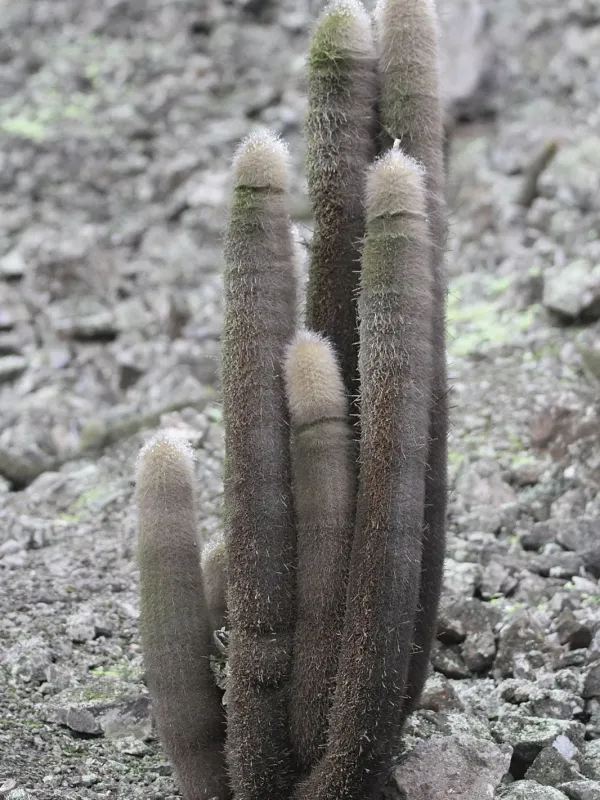
Haageocereus pseudomelanostele is a striking columnar cactus belonging to the Cactaceae family. Native to the arid coastal regions of Peru, this plant has adapted to harsh environmental conditions, including rocky slopes with limited water availability and intense light exposure.
In terms of cultivation, this species requires a highly mineralized and porous soil mix to ensure rapid drainage. Using a substrate consisting of volcanic rock, coarse sand, and a minimal amount of organic matter is crucial to mimic the plant's natural habitat and prevent root damage.
The cultural requirements are centered on high light intensity. To maintain its healthy growth habit, dense spines, and structural integrity, Haageocereus requires full sun. It is strictly unsuitable for low-light environments, where it will quickly weaken and lose its distinctive morphology.
Agrotechnical management involves a strict cycle of watering: abundant but infrequent waterings during the active growth season, followed by a total cessation of water during the winter dormancy period. This seasonal variation is essential for the plant to successfully complete its growth cycle.
Its primary use is ornamental, serving as a prized specimen in xeriscaping projects and specialist cactus collections. Its architectural shape and dense covering of spines make it a preferred species for enthusiasts interested in South American desert flora.
Main diseases and pests
The most significant pathological threat to the crop is root rot, triggered primarily by excessive moisture in the root zone. Proper soil aeration and professional monitoring of the watering frequency are the main preventative measures against fungal pathogens.
Common pests include mealybugs and spider mites, which can thrive in the dense spine formations of the cactus. Regular inspections and the application of contact or systemic pesticides are necessary to maintain plant health and prevent severe infestation.