
Gymnocalycium spegazzinii
Gymnocalycium spegazzinii
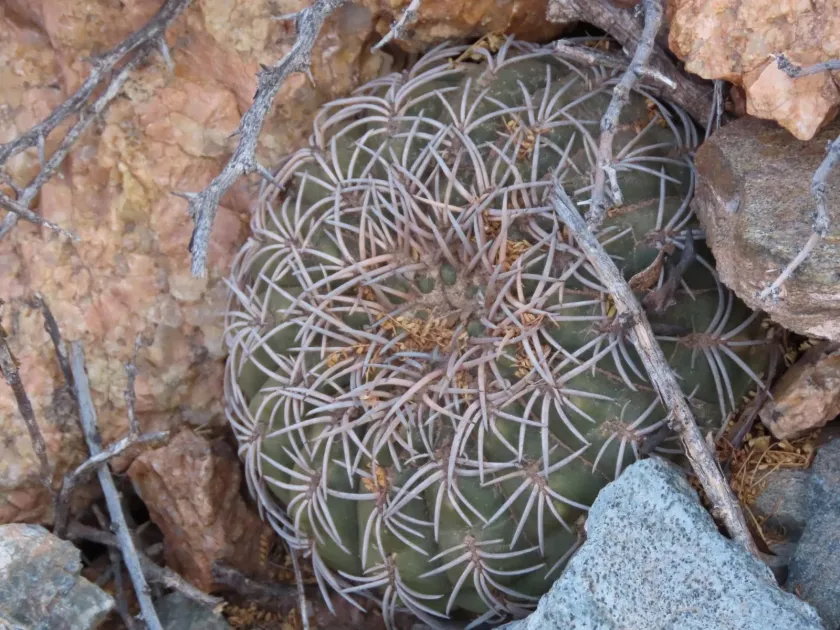
Description
Sowing dates
Seed propagation for Gymnocalycium spegazzinii is best performed in spring when temperatures are consistently between 22-25 degrees Celsius. Seeds should be sown in a sterile, mineral-rich substrate containing a significant portion of fine sand.
Success in germination depends on maintaining high humidity under glass or plastic and providing diffused light. Seedlings usually emerge within two to four weeks after sowing.
Once seedlings appear, they require gradual hardening to ensure they adapt to ambient air conditions without succumbing to desiccation. Pricking out should be delayed until plants are at least six months old to ensure robust root development.
While grafting onto faster-growing rootstocks is a common practice to accelerate maturation and flowering, own-root specimens are highly prized for their natural growth form and longevity.
Proper seed selection and handling in a controlled environment are essential to ensure the vitality of the young cacti and to maintain the specific morphological traits of the species.
Growing requirements
Gymnocalycium spegazzinii belongs to the Cactaceae family and originates from the arid regions of Argentina. In its native habitat, it thrives in rocky soils with high levels of mineral exposure.
Cultivation requires a highly porous, well-draining soil mix that prevents water stagnation. Incorporating granite grit or volcanic rock into the substrate is recommended to mimic natural conditions.
These cacti require bright, indirect light to develop their characteristic firm skin and dense spine structure. Direct midday sun during the summer months can be harmful, causing irreversible burning of the stem.
A strict winter dormancy period is essential, with temperatures maintained between 8 and 12 degrees Celsius. During this time, the plant must remain dry to prepare for the subsequent growing season.
Effective ventilation is a fundamental requirement for this species. Good airflow prevents humidity-related issues and maintains the overall health and vigor of the succulent.
Main diseases and pests
Mealybugs are the most common pest for Gymnocalycium spegazzinii, often congregating deep within the spines and crown of the plant. Systemic insecticides are the most effective way to manage these infestations.
Spider mites can become a problem in environments with low humidity, causing visible scarring on the stem epidermis. Regular monitoring and appropriate humidity adjustments are crucial for prevention.
Root rot is the most significant threat to the plant's survival, almost always caused by improper watering techniques. Ensuring the substrate is completely dry between waterings is the best preventative measure.
Bacterial infections can take hold if the stem is injured or if humidity is too high. Any mechanical damage should be treated immediately with powdered charcoal or a suitable fungicide.
Maintaining a clean growing area and inspecting plants regularly allows for early detection of potential health issues, protecting the integrity of the entire collection.