
Gymnocalycium saglionis
Gymnocalycium saglionis
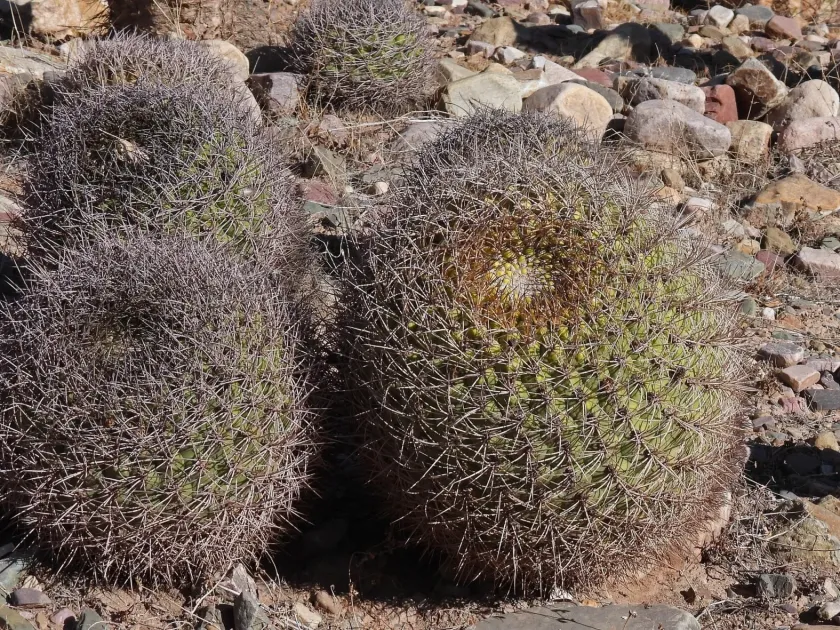
Description
Growing requirements
Gymnocalycium saglionis is a notable species within the Cactaceae family, native to the rugged terrains of Argentina. It is highly valued in horticulture for its distinct globular shape and dense, slightly curved spines that provide a unique aesthetic appeal.
The culture thrives in mineral-rich, well-draining soil mixes. A successful growing medium for this species should consist of coarse sand, perlite, and a small portion of peat or leaf mold, ensuring that water does not linger near the root neck.
Light intensity plays a critical role in the growth of this cactus. While it requires bright light to maintain its compact form and health, it is essential to protect it from extreme midday sun to prevent epidermal sunburns, which can scar the plant permanently.
Temperature management requires a cycle that mimics its natural habitat. During the active growing phase, temperatures between 20°C and 28°C are ideal. Adequate airflow is necessary to ensure the plant cools down at night, which aids in its respiratory processes.
Winter dormancy is vital for the biological cycle of Gymnocalycium saglionis. A cool, dry period with temperatures around 10°C is required to prepare the plant for flowering and to prevent etiolation caused by low light levels combined with warmth.
Main diseases and pests
Root rot remains the most common threat to this species. It is typically caused by overwatering or using soil that retains moisture for too long. Signs of distress include softening of the lower stem and a shift in the plant's natural color.
Pests such as spider mites and mealybugs frequently target the deep crevices between the ribs of the cactus. These pests thrive in stagnant air, making regular inspection and proper ventilation essential components of the plant's care regimen.
To control pest infestations, specialized systemic insecticides or horticultural oils can be applied. However, since cacti can be sensitive, it is recommended to apply treatments during cooler hours of the day to avoid chemical stress.
Preventative measures include maintaining strict hygiene in the cultivation area and ensuring that all containers have sufficient drainage holes. Sterilizing the potting mix before use can significantly reduce the risk of soil-borne pathogens.
If decay is detected, the affected areas must be surgically removed. The plant should then be kept in a dry, ventilated area for several days to allow the wounds to callous over before it is placed back into the soil.