
Discocactus zehntneri
Discocactus zehntneri
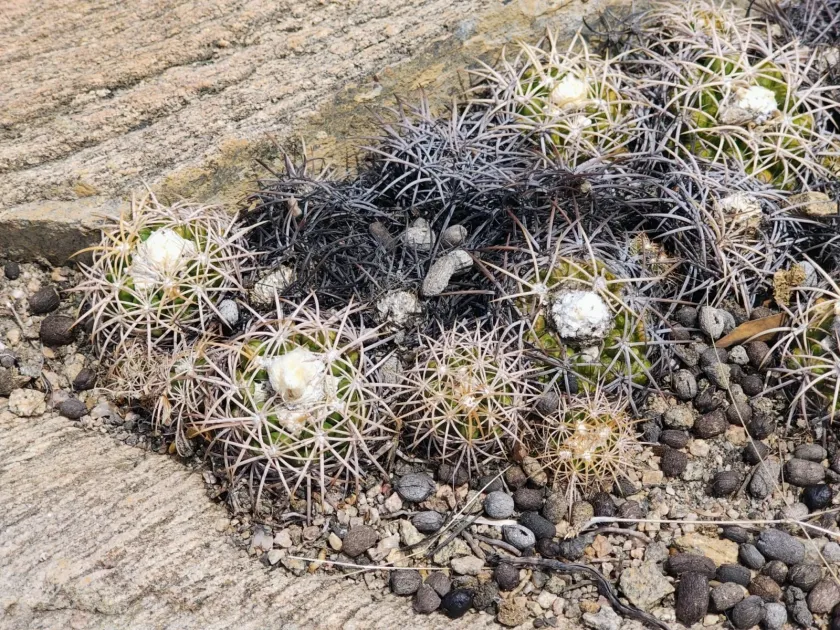
Description
Sowing dates
Propagation of Discocactus zehntneri in greenhouse or indoor environments is primarily carried out through seeds. Sowing should be performed during the spring season when daylight hours begin to increase, providing the necessary environmental conditions for germination.
For successful germination, the seeds require a stable temperature range between 25–30 degrees Celsius. It is crucial to maintain constant soil moisture during the sprouting phase by using small propagators or plastic covers to create a greenhouse effect.
The substrate for seedlings must be highly porous and sterile to prevent the development of pathogenic microflora. It is recommended to use a mix of washed river sand, perlite, and a small amount of fine-grade peat substrate.
Pricking out young plants should only be done once they reach a size sufficient to survive independently in individual pots. The growth process of this species is characterized by a slow pace, requiring patience and diligence from the grower.
Seedlings are extremely sensitive to direct sunlight, so they should be kept in a shaded area with diffused light during the early stages of development. Only as the plant matures should it be gradually introduced to brighter light conditions.
Growing requirements
Discocactus zehntneri belongs to the Cactaceae family and naturally occurs in the dry tropical forests and rocky savannas of Brazil. In cultivation, the plant requires specific conditions that closely mimic its natural habitats.
A primary requirement is maintaining a consistently high temperature range throughout the entire growing season. The plant reacts very negatively to sudden temperature fluctuations and drafts, which can easily trigger root rot.
The soil must provide excellent drainage, as the plant cannot tolerate waterlogging. Specialized cactus substrates with a high mineral content, such as gravel, crushed brick, or coarse sand, are ideal for this purpose.
Lighting should be intense but diffused, especially during peak afternoon hours. Direct sunlight can cause burns on the epidermis, making the use of shading nets necessary during the peak of solar activity.
Watering requires strict portioning; moisture should only be applied after the soil ball has completely dried out. During winter, watering should be almost entirely suspended to induce a period of dormancy at moderate temperatures.
Main diseases and pests
The greatest threat to the health of this cactus is substrate waterlogging, which inevitably leads to the development of fungal infections. Root rot can destroy the plant in a very short time if proper irrigation control is lacking.
Among pests, the spider mite poses the most significant danger, as it breeds rapidly in low-humidity conditions. It damages the epidermis, leaving characteristic spots and reducing the overall aesthetic value of the culture.
Mealybugs are another common pest that may hide in the folds between the cactus ribs. The detection of a white, cotton-like substance requires immediate application of systemic insecticides.
Scale insects can also infest the plant by attaching themselves to the surface and sucking the sap. Control measures involve manual removal of the pests followed by treatment with soap solutions or specialized pesticides.
Disease prevention relies on maintaining proper ventilation and avoiding excessive humidity. Regular inspections allow for the early detection and treatment of any pest or disease infestations.