
Discocactus hartmannii
Discocactus hartmannii
Description
Growing requirements
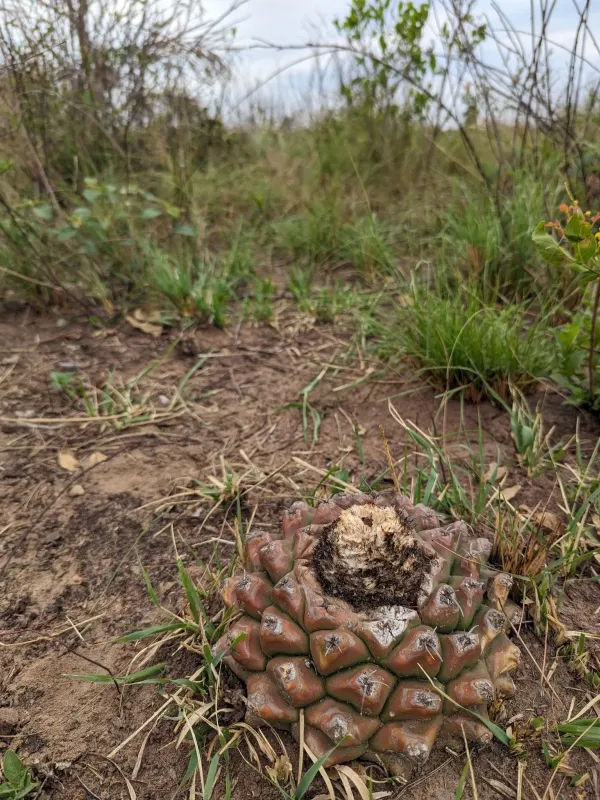
Discocactus hartmannii is a rare species belonging to the Cactaceae family. Native to the rocky landscapes of Paraguay and parts of Brazil, this plant has adapted to survive in environments with poor, mineral-rich soils and extreme fluctuations in day-to-night temperatures.
Cultivation requires a highly porous growing medium, typically consisting of volcanic rock, pumice, and coarse sand. Adequate aeration of the substrate is mandatory to prevent the accumulation of moisture, which is the primary cause of plant death in cultivation.
The plant thrives in warm, stable climates. While it requires high light intensity, protection from intense mid-day sun is essential to prevent epidermal scorching. Maintaining ambient humidity at a low level is crucial for the health of the cactus.
Watering practices must be strictly controlled, mimicking the natural drought cycles of its native habitat. During the winter dormancy phase, the plant requires almost complete dryness to ensure metabolic stability and stimulate future flowering.
Discocactus hartmannii is primarily used in commercial botanical collections and by hobbyists specializing in rare succulents. Its distinctive cephalium, which produces nocturnal, fragrant flowers, makes it a premium asset in ornamental plant production.
Main diseases and pests
The main pests affecting Discocactus hartmannii are mealybugs and spider mites, which exploit the plant's ribs to establish colonies. Regular monitoring and the application of specialized systemic pesticides are required to keep the plant in good condition.
Root rot, driven by fungal pathogens like Phytophthora, is the most common lethal threat. To mitigate this risk, growers must ensure that the planting substrate is thoroughly sterile and that the drainage system allows for rapid water evacuation.