
Discocactus heptacanthus
Discocactus heptacanthus
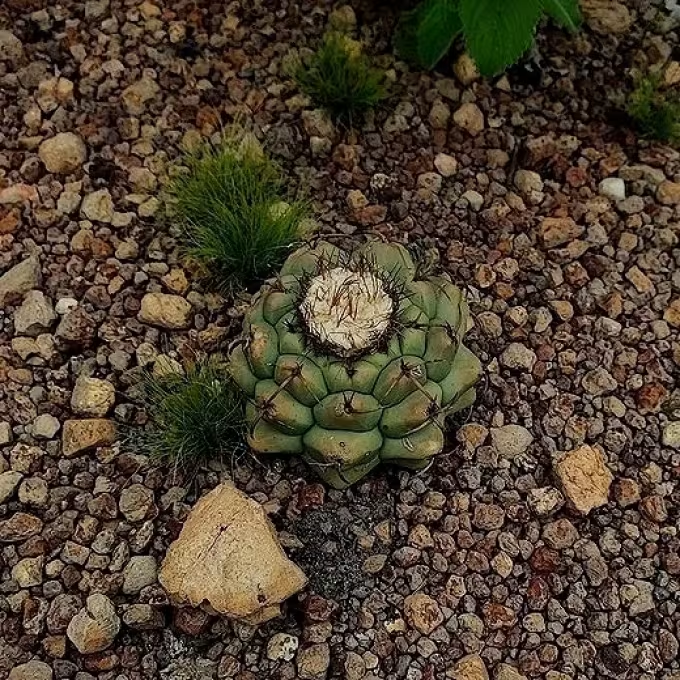
Description
Sowing dates
Propagation of Discocactus heptacanthus is primarily achieved through seeds in greenhouse conditions. Sowing should take place in the spring season when the air temperature remains consistently between 22 and 25 degrees Celsius for optimal germination.
The sowing medium must be light, airy, and well-draining, consisting of a mix of sand, perlite, and a small amount of peat or leaf mold. Seeds should be placed on the surface of the soil and not buried deeply to ensure they receive enough light.
Keeping the environment humid with a cover is crucial during the early stages of development. Once the seeds sprout, ventilation should be gradually introduced to prevent the formation of mold, which is a major risk for young seedlings.
The seedlings exhibit a slow growth rate and require careful attention to lighting. Bright, indirect light is necessary for them to develop strong structures and healthy roots before they reach a size suitable for individual pots.
Sterilizing the substrate before sowing is an essential agricultural practice to minimize the risk of damping-off disease. Using fungicides in low concentrations during the early watering stages can significantly increase survival rates.
Growing requirements
Discocactus heptacanthus belongs to the Cactaceae family and is native to tropical regions of Brazil. It thrives in warm, stable climates where temperatures do not drop below 15 degrees Celsius even during the winter dormancy period.
The plant requires a highly permeable substrate to thrive. A mixture containing grit, pumice, and well-composted organic material provides the necessary aeration and drainage, which is vital for preventing root system failure.
Light requirements are significant, yet the plant prefers bright, filtered sunlight. Direct exposure to intense midday sun can cause severe sunburn on the epidermis, necessitating the use of shading screens in controlled greenhouse environments.
Watering should be managed with caution, allowing the substrate to dry out completely between sessions. Excessive moisture, especially in the root zone, is the most common cause of mortality for this species in cultivation.
Due to its tropical origin, the cactus is sensitive to cold drafts and temperature drops. Providing a consistently warm, stable environment is the foundation for successfully maintaining this ornamental agricultural crop.
Main diseases and pests
Root and stem rot are the most serious threats, primarily caused by excessive soil moisture and poor air circulation. Regular monitoring of the stem base is essential to detect any early signs of fungal decay.
Common pests such as mealybugs and spider mites are frequent invaders in indoor environments. These insects thrive in warm, dry air, requiring proactive monitoring and occasional treatment with appropriate acaricides or systemic insecticides.
Rust and fungal spotting on the stem can occur if humidity levels are high for prolonged periods. Maintaining good air movement around the plants is an effective way to prevent the development of these fungal pathogens.
Any physical injury to the plant, such as a cut or tear in the epidermis, acts as a point of entry for secondary bacterial infections. These areas should be treated with charcoal or fungicides to promote rapid healing.
Good sanitation practices, including cleaning tools between plants and isolating new arrivals, are essential for maintaining a healthy collection and preventing the spread of diseases across the entire crop.