
Discocactus ferricola
Discocactus ferricola
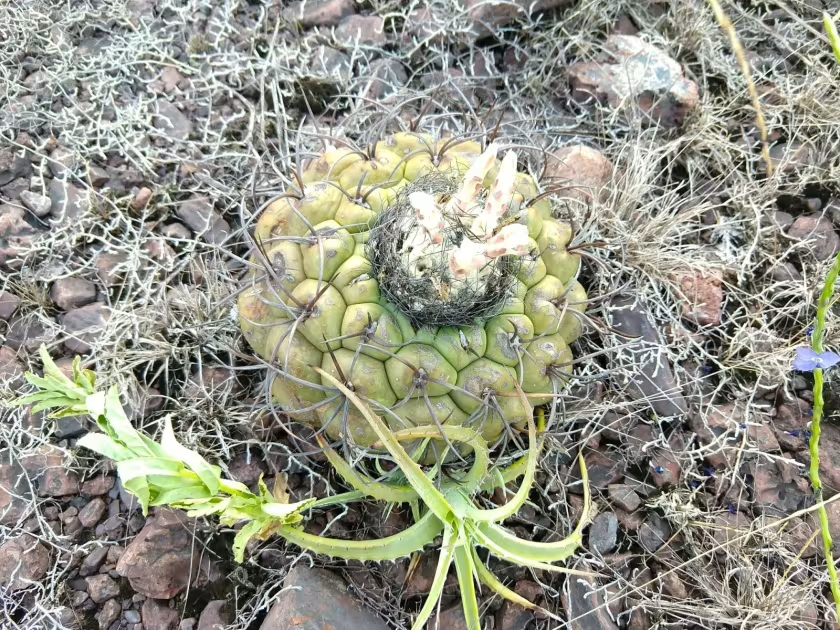
Description
Growing requirements
Discocactus ferricola is a fascinating member of the Cactaceae family, native to the iron-rich soil regions of Paraguay and Brazil. It is characterized by its flattened, spherical body and the development of a woolly cephalium at maturity, which produces delicate white flowers.
To cultivate this species successfully, one must replicate its natural rocky habitat. High levels of light are essential, though direct midday sun should be filtered to prevent tissue damage. Maintaining a proper light-to-temperature ratio is the key to stimulating healthy growth.
Soil composition is critical; it must be highly porous and inorganic. A mix consisting of coarse sand, volcanic rock, and minimal peat is recommended to ensure rapid drainage. The container must have large drainage holes to avoid any water accumulation at the bottom.
Watering requires high precision; it should only be performed when the substrate is completely dry. During the growing season, watering should be infrequent, and the water must never pool near the plant's base, as this causes rapid rotting of the delicate epidermis.
Climate requirements include warm temperatures throughout the year. The species is not frost-tolerant and must be protected from temperatures below 15 degrees Celsius. Good ventilation is also a prerequisite to prevent heat-related stress and fungal buildup.
Main diseases and pests
Root rot is the most common threat to Discocactus ferricola, typically resulting from overwatering or poorly draining soil. The signs include a softening of the stem and discoloration, often requiring immediate repotting into dry, sterile media.
Mealybugs are frequent pests that infest the woolly cephalium and the crevices between the ribs. Their presence can be identified by the white, cotton-like masses they produce; they should be treated with systemic insecticides or isopropyl alcohol.
Spider mites are a persistent threat in environments with low humidity, causing fine webbing and brown spots on the cactus body. Regular monitoring and maintaining proper air circulation are the primary methods of defense against these microscopic arachnids.
Fungal infections can occur if the humidity levels are consistently high without sufficient airflow. Preventive use of systemic fungicides is recommended for those growing the plants in greenhouse conditions where ventilation might be restricted.
Root aphids pose a hidden danger, often damaging the root system silently. Periodic inspection of the root ball during repotting is necessary to detect signs of these pests before they compromise the entire plant's health.