
Discocactus horstii
Discocactus horstii
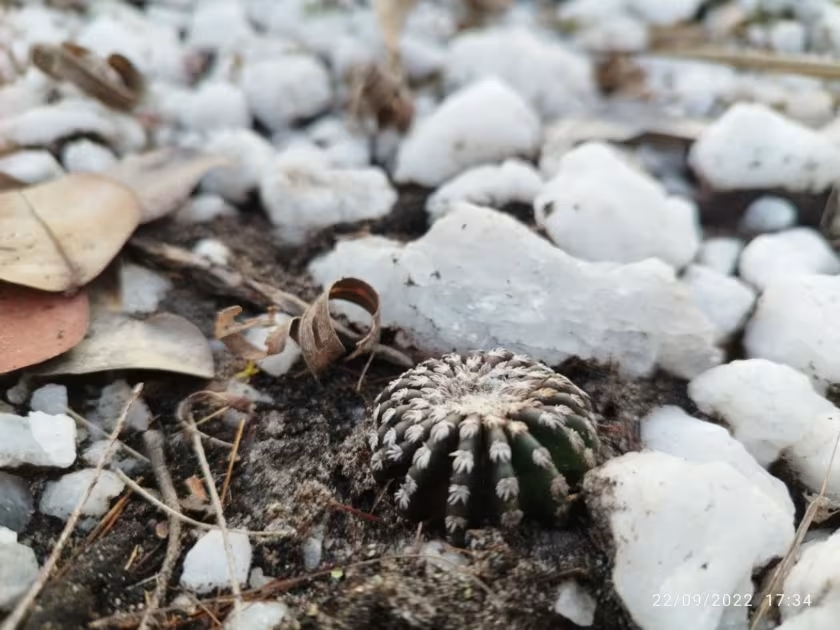
Description
Sowing dates
Sowing seeds of Discocactus horstii is best performed in early spring when daylight hours increase, ensuring that young seedlings receive enough natural light for healthy development.
It is essential to use a loose, sterile substrate consisting of a mixture of sand, perlite, and peat in equal proportions to prevent moisture accumulation and root rot.
Seeds should be sown superficially without covering them with soil and placed in a container covered with glass or film to create a greenhouse effect with high humidity.
The optimal temperature for germination ranges between 25 and 30 degrees Celsius, as this species is particularly sensitive to cold conditions during the early growth stages.
After the first seedlings appear, they must be gradually acclimated to ambient air by airing the container daily, which hardens the seedlings and prevents fungal infections.
Growing requirements
Discocactus horstii is a rare endemic species from Brazil belonging to the Cactaceae family, naturally adapted to stony habitats with nutrient-poor, rocky soils.
The culture requires bright, indirect light; intense midday summer sun can cause severe burns to the delicate epidermis of this slow-growing succulent.
The potting mix for mature plants must be highly permeable, containing a high proportion of mineral components and a mandatory drainage layer at the bottom of the pot.
Watering must be moderate and strictly regulated, as overwatering is the most critical factor leading to root system decay and potential death of the specimen.
The temperature during the dormant winter period should not drop below 15 degrees Celsius, as this thermophilic cactus struggles with significant temperature fluctuations.
Main diseases and pests
The main threats to the health of the culture are root rots, which typically develop in the presence of excessive moisture and low ambient temperatures during winter.
Among pests, the mealybug is the most dangerous, often hiding deep within the grooves between the ribs of the cactus to feed on sap and weaken the plant.
Spider mites can also attack the epidermis in overly dry conditions, causing unsightly spots that diminish the decorative value and reduce the plant's overall vigor.
When pests are detected, systemic insecticides should be used carefully, ensuring precise dosage to avoid causing chemical damage to the succulent's sensitive tissues.
Effective prevention involves regular inspection of the root neck and maintaining proper ventilation to stop the proliferation of pathogens and common cactus pests.