
Brasilicereus
Brasilicereus
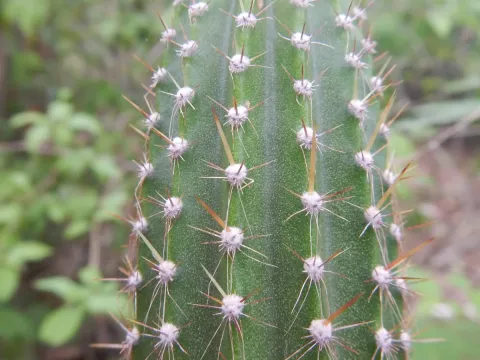
Brasilicereus is a fascinating genus of succulent plants belonging to the Cactaceae family. These cacti are recognized for their distinct columnar growth habits and their adaptation to the rugged, arid landscapes of their native habitats.
What the section contains


Brasilicereus
The plants are endemic to Brazil, particularly flourishing in the regions of Minas Gerais and Bahia. They are typically found in specialized environments like the caatinga, growing amidst rocky outcrops where moisture is sparse and the environmental conditions are challenging.
To cultivate Brasilicereus successfully, one must replicate their natural preference for bright, direct sunlight. When grown indoors or in greenhouse settings, ensuring maximum solar exposure is vital to maintain the plant's structural integrity and healthy epidermal color.
Soil composition is a critical factor for success; the growing medium should be highly inorganic and porous. A mixture of cactus-specific potting soil amended with coarse sand, pumice, or crushed lava rock helps ensure that water drains away quickly from the root system.
The irrigation strategy is defined by the soak-and-dry method. During the active growing season, water should be applied only when the substrate is completely dry throughout the container. During the winter dormancy period, watering should be significantly reduced to prevent physiological stress.
The primary threat to Brasilicereus is root rot caused by fungal pathogens when the growing medium remains damp for extended periods. Once rot reaches the inner vascular tissues, it often leads to the irreversible loss of the specimen.
Pest issues often involve common cactus intruders such as mealybugs, which hide in the rib crevices, and spider mites, which thrive in low-humidity environments. Regular monitoring and the application of suitable horticultural oils or systemic insecticides are effective measures against these threats.