
Brasilicereus markgrafii
Brasilicereus markgrafii
Description
Growing requirements
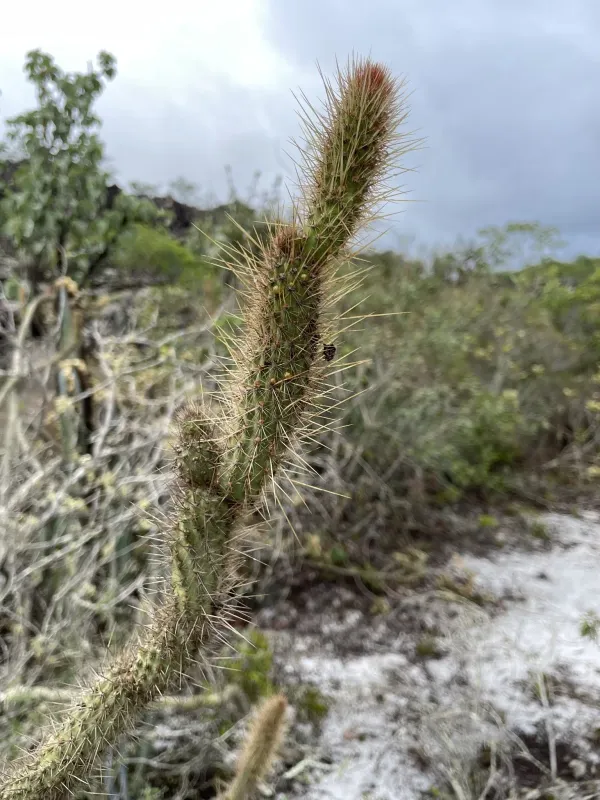
Brasilicereus markgrafii is a rare species of cactus from the Cactaceae family, endemic to the state of Minas Gerais in Brazil. In its natural environment, the plant inhabits specific rocky outcrops and foothills characterized by a dry tropical climate with distinct seasonal patterns.
This culture is characterized by a slow growth rate and a columnar stem structure that can reach significant heights under favorable maintenance conditions. The surface of the plant is covered with thin, sharp spines that perform a protective function, reducing moisture loss and guarding the cactus against local herbivores.
For successful cultivation, it is crucial to provide a well-draining substrate with low organic content. The soil must mimic the rocky terrain of its natural habitat; therefore, the addition of sand, gravel, and perlite is essential to prevent water stagnation around the root system.
The temperature regime should remain stable, avoiding drastic fluctuations during the active growing season. The plant is photophilous and requires bright, indirect lighting to prevent epidermal sunburn, which can cause necrotic spots and weaken the cactus's overall health.
In greenhouse or indoor conditions, it is necessary to maintain low air humidity and consistent ventilation. Excessive moisture, combined with poor air circulation, is detrimental to this species, as it often triggers rot at the root collar and the base of the stem.
Main diseases and pests
The primary threats to Brasilicereus markgrafii include pathogenic fungi that flourish during systematic soil saturation. Root rot and phytophthora are among the most dangerous diseases, capable of destroying the plant in a very short time if moisture levels are not managed.
Among pests, mealybugs and spider mites pose the greatest danger, frequently affecting cacti kept in poorly ventilated and overly dry environments. Regular inspection of the areoles and apical growth points allows for the early detection of insect colonies before they spread.
To combat pests, regular treatments with specialized insecto-acaricides, as well as mechanical removal of parasites, are highly recommended. Prevention includes maintaining optimal hygiene in the growing area and using high-quality, sterilized substrate.
Incorrect watering regimes can lead to physiological disorders, manifesting as stem deformation and loss of turgor. During the winter dormancy period, watering should be minimized to prevent etiolation—an unnatural stretching of the stem due to low light levels and excess moisture.
If signs of rot appear on the stem, immediate sanitary pruning of the damaged tissue is required, followed by treating the cut surface with an antiseptic or wood charcoal powder. It is vital to prevent the spread of infection to the healthy parts of the plant.