
Browningia
Browningia
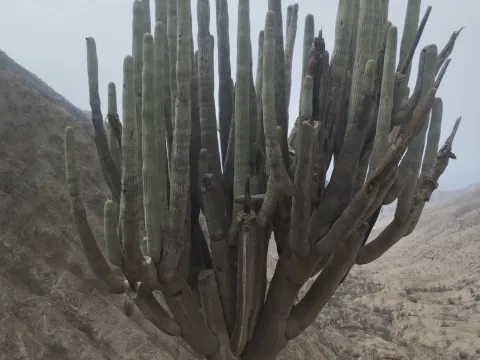
Browningia is a genus of large, often tree-like or shrubby succulents belonging to the Cactaceae family. Native to the arid regions of South America, including Peru, Bolivia, and Chile, these plants typically inhabit high-altitude Andean slopes and desert environments.
What the section contains


Browningia
To successfully cultivate Browningia, it is essential to replicate their native environment. These plants require intense, direct sunlight for the entire day; inadequate lighting often leads to etiolation, where the stem becomes stretched, thin, and significantly weakened.
The growing medium must be highly porous with excellent drainage characteristics. An ideal substrate consists of a mixture of loam, coarse river sand, perlite, and small gravel, ensuring a neutral to slightly acidic pH to promote healthy root respiration.
During the active growing season, Browningia thrives in temperatures between +22 and +30 degrees Celsius. In the winter, the plant requires a cool dormant phase with temperatures between +10 and +12 degrees Celsius to stimulate future flowering cycles.
Humidity is not a significant concern for this genus as it is well-adapted to dry, desert conditions. The primary agricultural challenge is adhering to a strict irrigation schedule that prevents water stagnation, which can rapidly lead to root and collar rot.
The most significant pest threats to Browningia include sap-sucking insects, such as mealybugs and spider mites. These pests thrive in low-humidity environments and can cause severe damage to the cactus epidermis if left unchecked.
Fungal pathogens, particularly root rot and stem rot, are the primary disease threats. These are usually precipitated by improper watering practices, such as excessive moisture retention in the soil or the use of cold water for irrigation.
Disease prevention is centered on regular monitoring of the cactus surface and maintaining strict hygiene during potting or repotting. Using sterile substrate mixes is a fundamental practice to minimize the introduction of harmful soil-borne pathogens.
In greenhouse or indoor conditions, it is crucial to avoid overcrowding. Proper air circulation around each individual specimen is necessary to prevent stagnant, humid air pockets that encourage the rapid development of fungal and bacterial infections.
When pest infestations occur, systemic insecticides should be employed. It is recommended to perform treatments during early morning or late evening to prevent solar-induced chemical burns on the plant’s surface.