
Brasilicereus phaeacanthus
Brasilicereus phaeacanthus
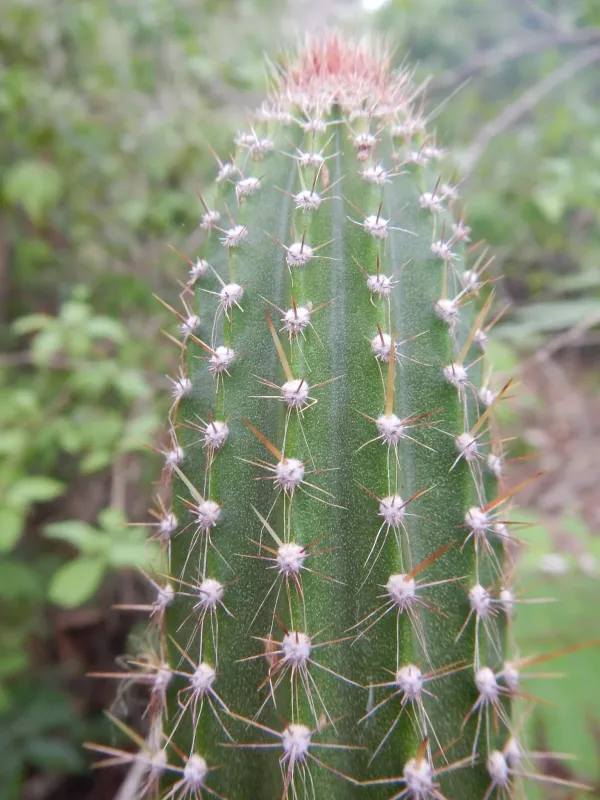
Description
Growing requirements
Brasilicereus phaeacanthus is a distinctive columnar cactus species belonging to the Cactaceae family. Native to the arid, rocky environments of Eastern Brazil, this plant has evolved to survive in harsh conditions with limited water availability and high temperatures.
Botanically, it is characterized by its upright, cylindrical stems that feature prominent ribs and sharp, dark spines. These spines serve a dual purpose: protecting the plant from herbivores and reducing water loss by providing light shade to the epidermis.
Successful cultivation requires environmental conditions that mimic its natural habitat. The plant demands bright, direct sunlight throughout the year to maintain its structural integrity. Insufficient light levels lead to etiolation, where the plant grows weak, pale, and abnormally stretched.
The substrate must be highly porous and inorganic-heavy to ensure rapid drainage. A mix of coarse sand, perlite, and small gravel is recommended to prevent any form of waterlogging, which the root system of this species cannot tolerate under any circumstances.
The agronomic management focuses on a cycle of wet and dry periods. Watering should be thorough but infrequent during the active growing season, ensuring the soil dries out completely between waterings. During winter, the plant enters dormancy and requires minimal to no water to avoid rotting.
Main diseases and pests
Root rot is the most significant threat to Brasilicereus phaeacanthus. This condition is primarily caused by poor soil aeration or excessive moisture during periods of low temperatures, leading to the rapid decay of the vascular tissues at the base of the plant.
Pests such as mealybugs and spider mites are common problems in indoor collections. These insects can hide in the dense spines or small cracks, making them difficult to detect until the plant starts to show visible signs of stress, such as yellowing or localized necrotic spots.
Management of pests requires early detection. If an infestation is found, systemic insecticides or gentle application of horticultural oils may be used. It is vital to test any chemical treatment on a small part of the plant first, as some cacti are sensitive to certain solvents.
Prevention is centered on maintaining excellent airflow around the plant and ensuring that the cactus is not overcrowded with other specimens. Keeping the growing area clean and avoiding high humidity levels are key strategies for avoiding fungal pathogens.
In cases of advanced rot, salvage operations may involve cutting away the healthy parts of the stem to promote re-rooting, though this is difficult with mature Brasilicereus specimens. Maintaining the correct watering schedule remains the best defense against all primary diseases.