
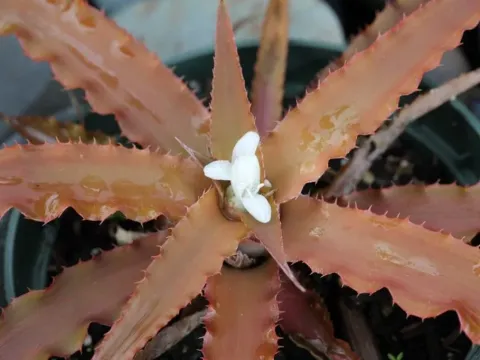
Cryptanthus
Cryptanthus
Cryptanthus is a genus of perennial herbaceous plants belonging to the Bromeliaceae family. Unlike most bromeliads that are epiphytic, members of the Cryptanthus genus are terrestrial, growing directly in the forest floor, which dictates their specific horticultural needs.
What the section contains


Cryptanthus
Originating from the tropical regions of Brazil, these plants are renowned for their low, star-shaped rosettes of foliage. The leaves are often variegated or brightly colored, making them a popular choice for ornamental indoor cultivation and interior design projects.
Successful cultivation requires a well-draining, loose soil medium, typically composed of peat, leaf mold, and perlite. A balance of acidity is crucial for nutrient absorption, as the roots are sensitive to both waterlogging and compacted, heavy soil substrates.
The plant thrives in bright, filtered light. Exposure to direct intense sunlight can bleach the foliage or cause scorched patches on the leaves. Conversely, insufficient light often results in the loss of vibrant leaf patterns and weak, elongated plant growth.
Temperature management is vital, with an ideal range between 20 and 25 degrees Celsius. The culture requires consistent humidity levels to mimic its natural tropical environment, though the soil should be allowed to dry slightly between waterings to prevent root rot.
The primary pests affecting Cryptanthus are mealybugs and spider mites. These insects tend to hide in the tight crevices of the leaf rosettes, making physical removal difficult and requiring the application of specialized systemic insecticides for effective control.
Root rot and crown rot represent the most significant pathological threats to the crop. These conditions are almost exclusively caused by overwatering or poor drainage systems. Preventive maintenance involves using pots with adequate drainage holes and ensuring proper aeration around the base of the plant.