
Cryptanthus acaulis
Cryptanthus acaulis
Description
Growing requirements
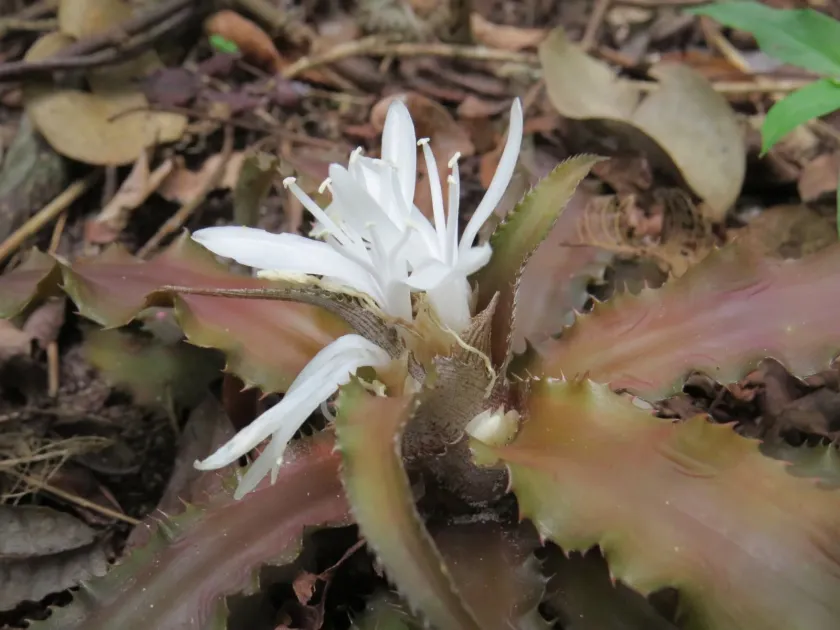
Cryptanthus acaulis is a distinctive species within the Bromeliaceae family, native to the tropical rainforests of Brazil. Known as an epiphyte, it is characterized by its stemless form, growing as a low rosette of leaves that spread horizontally across the ground.
The botanical structure of this plant features stiff, serrated, and often wavy leaves that are highly valued for their ornamental patterns. Unlike some other bromeliads, this species is primarily adapted to floor-level growth in shaded canopy environments.
Agricultural success depends on a well-aerated, loose potting medium. A mix of peat, perlite, and bark chunks is recommended to ensure that the delicate root system remains oxygenated while retaining sufficient moisture for the plant.
Climate requirements for the species involve maintaining temperatures between 20°C and 26°C. It thrives in high-humidity environments and should be kept away from cold drafts or direct airflow from air conditioning units, which can dry out the foliage.
Lighting should be bright but filtered; intense direct sunlight is detrimental as it scorches the leaves. Providing moderate diffused light encourages optimal leaf coloration and prevents the plant from becoming overly leggy or stressed.
Main diseases and pests
Root rot is the most significant disease threat to Cryptanthus acaulis, typically caused by overwatering or using a medium with poor drainage. Stagnant water sitting in the center of the leaf rosette can also lead to bacterial decay of the plant's core.
Pest issues often involve spider mites, scale insects, and mealybugs. These pests frequently congregate in the crevices between leaves, making them difficult to detect until the plant exhibits signs of severe damage such as discoloration or wilting.
Management of these pests requires a combination of physical removal using a damp cloth and the application of horticultural oils or systemic insecticides safe for bromeliads.
Nutrient deficiencies may manifest as pale or yellowing leaves, which can be addressed by applying a diluted, balanced liquid fertilizer specifically formulated for epiphytic plants during the growing season.
The overall health of the crop is highly dependent on preventative maintenance, including ensuring good air circulation around the plants to reduce the risk of mold growth in the humid conditions the plant prefers.