
Cryptanthus bromelioides
Cryptanthus bromelioides
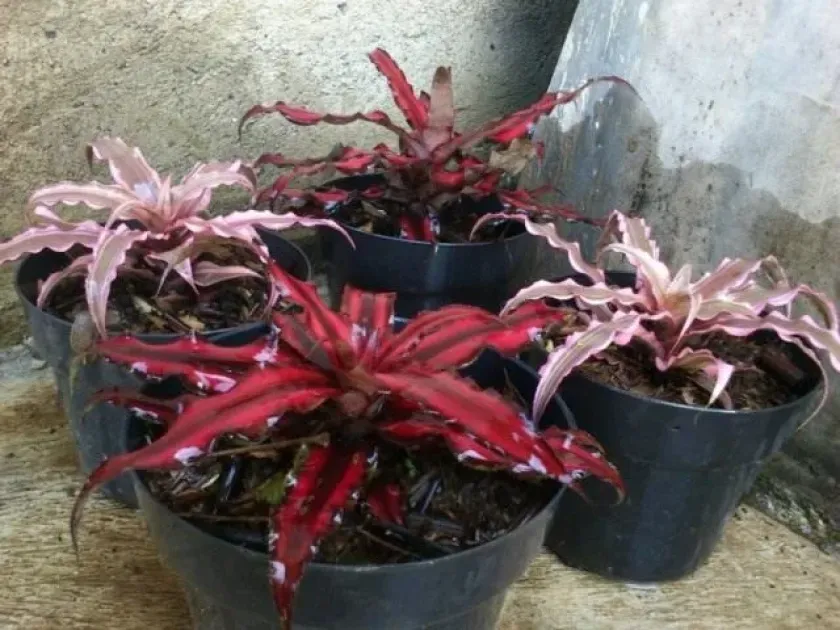
Description
Growing requirements
Cryptanthus bromelioides is a distinguished member of the Bromeliaceae family. Native to the tropical regions of Brazil, this perennial herb is widely recognized for its unique, star-shaped rosettes and vibrantly colored foliage.
The crop requires bright, indirect light to maintain its optimal color intensity. Exposure to intense afternoon sunlight is detrimental and can scorch the leaves, while insufficient light leads to etiolation and loss of the plant's characteristic patterns.
Temperature requirements for this species are strictly tropical. The ideal range is between 20°C and 25°C. Exposure to cold drafts or temperatures dropping below 15°C will severely stress the plant and may lead to physiological damage.
Soil composition should prioritize drainage and aeration. A mixture comprising peat, perlite, and pine bark is highly effective, allowing the roots to breathe while maintaining the necessary levels of moisture retention.
Humidity management is a fundamental aspect of its agronomy. The plant thrives in environments with 60-70% relative humidity. Regular misting with distilled water is recommended to prevent leaf tip browning in indoor environments.
Main diseases and pests
Phytosanitary risks primarily involve fungal pathogens caused by waterlogged growing media. Root rot is the most prevalent condition, often triggered by over-watering during the dormancy period when metabolic activity is lower.
Pest pressure from mealybugs and scale insects is a recurring challenge. These pests inhabit the axils of the leaves, making them difficult to detect until a significant infestation has developed.
Effective management includes the use of horticultural oils or systemic insecticides specifically approved for ornamental plants. Integrated pest management (IPM) practices, such as biological control, can also be employed in controlled environments.
Regular sanitation, such as removing dead organic matter from the central rosette, is crucial for maintaining plant health. This practice significantly reduces the risk of bacterial and fungal colonization.
Maintaining balanced nutrition is essential; excess nitrogen can lead to soft, weak tissue growth that is more susceptible to both mechanical damage and pest attacks. Use balanced, low-concentration fertilizers formulated for bromeliads.