
Cryptanthus zonatus
Cryptanthus zonatus
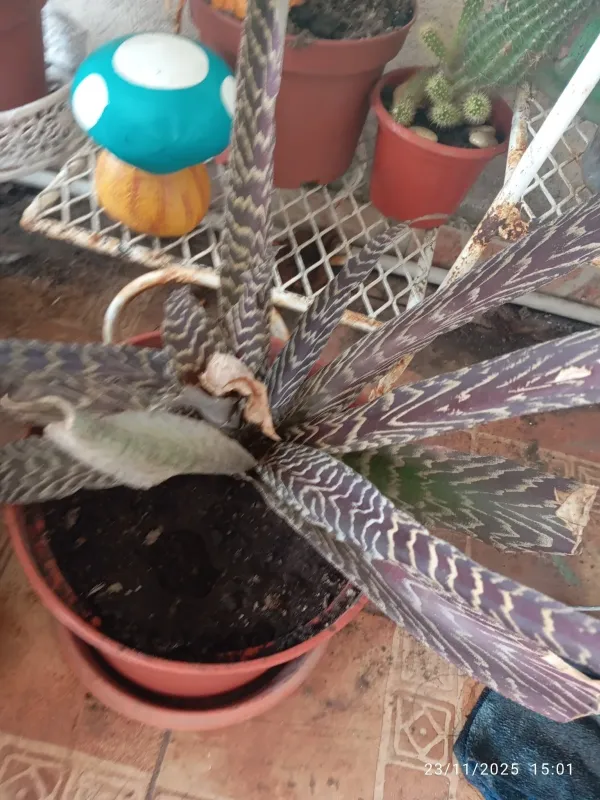
Description
Growing requirements
Cryptanthus zonatus is an ornamental herbaceous plant belonging to the Bromeliaceae family. It originates from the tropical forests of Brazil, where it grows as a ground-dwelling species in the forest understory.
To cultivate this plant successfully, it requires bright, indirect light to maintain its characteristic leaf coloration. Direct sunlight should be avoided to prevent tissue damage and scorching of the foliage.
The substrate must be highly porous and well-draining, consisting of a mix of peat, pine bark, and perlite. Proper drainage is essential to protect the root system from waterlogging and rot.
The climatic requirements include a warm environment, ideally between 20°C and 25°C. High ambient humidity is crucial for the health of the foliage, as the plant absorbs moisture partially through its leaf scales.
This crop is primarily used for ornamental purposes, specifically in indoor landscaping, terrariums, and botanical displays. Its architectural shape and striped patterns make it a valuable asset in decorative horticulture.
Main diseases and pests
Common plant threats include root rot and stem rot, which are often caused by poor drainage and excessive moisture in the root zone. Ensuring proper soil aeration is the primary method of disease prevention.
Pests such as mealybugs, scale insects, and spider mites frequently affect the plant. These pests thrive in dry environments and can severely weaken the plant by feeding on its sap.
Integrated pest management involves regular inspections and the use of targeted horticultural oils or insecticides. Maintaining appropriate humidity levels acts as a natural deterrent to spider mite infestations.
Nutrient deficiencies or improper pH levels in the substrate can lead to stunted growth or chlorosis. Balanced, water-soluble fertilizers applied in low concentrations are recommended during the growing season.
Environmental stress, such as exposure to cold drafts or rapid temperature changes, can lead to foliage drop or susceptibility to secondary fungal infections in weakened specimens.