
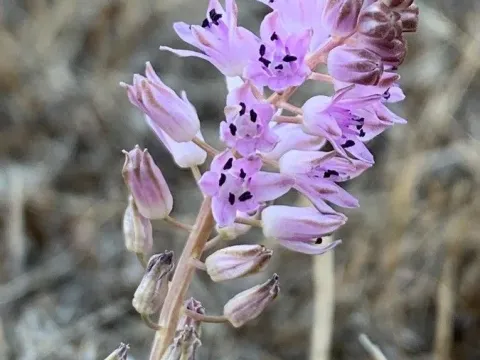
Prospero
Prospero
Planting of Prospero bulbs should ideally occur in the autumn, when soil temperatures drop to a range of 10-12 degrees Celsius. This timing allows for adequate root development before the onset of winter dormancy.
What the section contains


Prospero
For most temperate regions, the optimal planting window spans from September through early October. Delayed planting can lead to poor establishment, while excessively early planting may cause premature foliage growth.
The planting depth is critical and should be approximately three times the diameter of the bulb. This depth provides protection against sudden temperature fluctuations and ensures the plant remains securely anchored.
A layer of coarse sand at the base of each planting hole is a recommended practice to improve drainage and reduce the risk of rot, which is a common issue in poorly aerated soils.
After planting, applying a layer of mulch such as straw or peat helps maintain a consistent soil temperature and provides added insulation against frost during harsh winter months.
Prospero, a member of the Amaryllidaceae family, thrives in sunny, open locations. Sufficient sunlight is essential for maintaining strong, upright flower stalks and vibrant bloom colors.
The plant requires well-drained, fertile soil with a neutral pH. Heavy, waterlogged soils are detrimental to bulb health and must be improved with organic amendments or raised bed structures.
Watering should be managed carefully; while the plant needs moisture during the active growing season, excess water must be avoided to prevent bulb decay during the dormant phase.
Because the flower stems are tall, positioning them in areas sheltered from strong winds is advisable to prevent lodging or breakage during storms.
Balanced fertilization is key; a potassium-rich fertilizer applied before the blooming stage helps strengthen the bulb and improves the quality of offsets for the following season.
The primary threats to Prospero include fungal infections like grey mould and downy mildew, which flourish in high-humidity environments and poor air circulation.
Pests such as onion flies and various species of mites can cause significant damage by feeding on the bulb tissue and weakening the overall vigor of the plant.
Preventative measures involve treating bulbs with appropriate fungicides before planting and ensuring that the planting site is cleared of debris from previous seasons.
Regular maintenance, including weeding and thinning of surrounding vegetation, promotes better airflow around the plant, significantly reducing the probability of disease outbreaks.
Integrated pest management, including the use of targeted insecticides when necessary, helps protect the plants while minimizing the impact on beneficial garden insects.
Harvesting should only begin once the foliage has turned yellow and withered naturally, indicating that the bulb has completed its cycle and stored sufficient energy.
Once lifted, bulbs should be cleaned gently, removing loose soil and any decaying outer layers, then air-dried in a shaded, well-ventilated location to prevent damage.
Proper storage is essential; keep the bulbs in a dark, dry environment with a steady temperature. This mimics natural dormancy and prepares the plant for future re-planting.
Periodic inspection of the stored bulbs is necessary to detect and remove any that show signs of soft rot or fungal infection, ensuring the health of the entire collection.
Using ventilated crates or mesh bags for storage ensures optimal airflow, which is critical for keeping the bulbs in a state of healthy dormancy until the next growing cycle.