
Prospero pulchellum
Prospero pulchellum
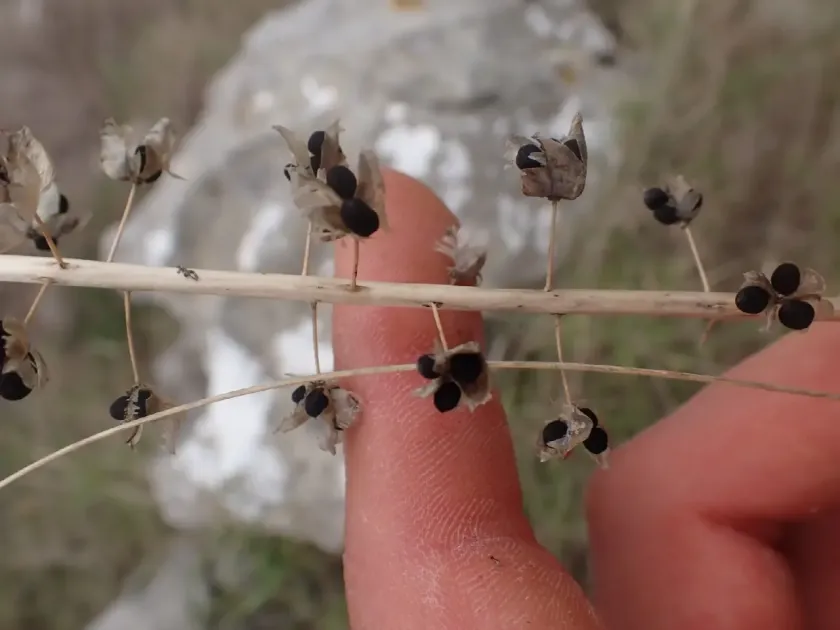
Description
Growing requirements
Prospero pulchellum is a perennial bulbous plant belonging to the Asparagaceae family. Originally classified within the Scilla genus, this species is native to the Iberian Peninsula, where it thrives in coastal habitats and rocky slopes.
The plant exhibits a unique growth pattern, emerging during the cooler, moister seasons and entering a strictly dormant period during the hot, dry summer. This lifecycle is essential for the maturation of the bulb and successful subsequent flowering.
For cultivation, the soil must be exceptionally well-drained, ideally sandy or gritty. Improving drainage is the most critical factor, as stagnant water is the primary cause of failure, leading to root and bulb rot during the dormant phase.
The plant requires full sun to partial shade, with full sun being preferable for optimal development of its distinct inflorescences. Adequate light exposure is vital for the plant to gain the necessary energy for next year's growth cycle.
In terms of agricultural use, Prospero pulchellum is valued exclusively as an ornamental plant. It is widely used in rock gardens and Mediterranean-style landscapes, where its aesthetic properties can be fully appreciated.
Main diseases and pests
The main pathological threat to the species is fungal infection, such as Fusarium. These diseases typically manifest when environmental conditions include excessive moisture combined with poor soil aeration, damaging the bulb's integrity.
Pests such as bulb mites and larvae of the onion fly pose significant risks to the health of the plants. These pests feed on the bulbs, creating entry points for secondary infections and often destroying the internal tissues completely.
Disease management involves strict adherence to drying cycles during the summer dormancy. Preventive treatment of bulbs with antifungal agents before planting is a recommended standard practice to reduce initial infection pressure.
Pest control should be integrated into the maintenance schedule, utilizing systematic insecticide applications if an infestation is observed. Monitoring for signs of wilting is crucial, as this is often the first indicator of root-level damage.
Maintaining a clean growing environment by removing dead plant debris at the end of the season helps reduce the habitat available for pests. Proper plant spacing also aids in air circulation, further minimizing the risk of fungal outbreaks.