
Prospero obtusifolium
Prospero obtusifolium
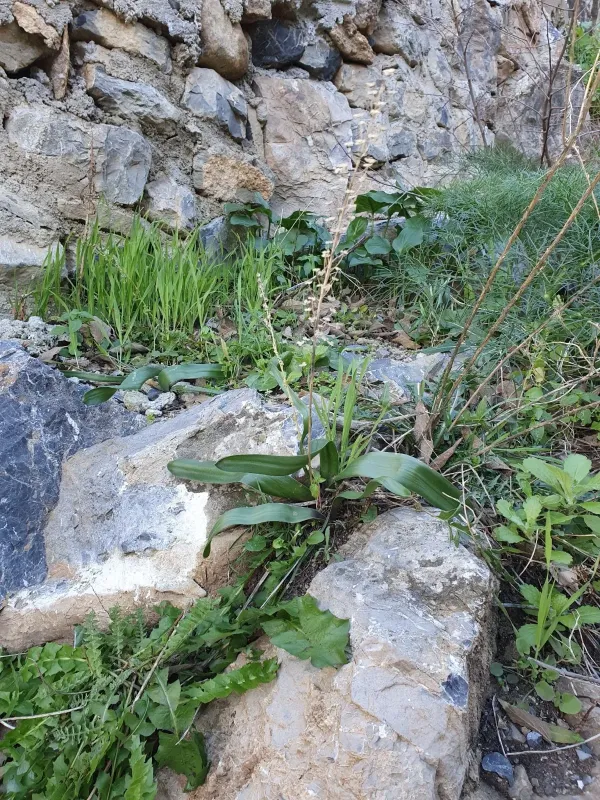
Description
Sowing dates
The planting of Prospero obtusifolium bulbs is typically performed in the autumn season, allowing the root system to establish before the arrival of winter dormancy.
Bulbs should be planted at a depth of approximately 5–8 centimeters, with adequate spacing of 10–15 centimeters between plants to ensure proper growth development.
Selecting a site with well-draining soil and exposure to spring sunlight is essential for successful germination and early flowering of this species.
Site preparation includes clearing the area of competitive weeds and improving soil structure to prevent compaction, which can impede bulb development.
Propagation through seeds is possible but requires a cold stratification period, making it a longer process compared to vegetative propagation using daughter bulbs.
Growing requirements
Prospero obtusifolium belongs to the Asparagaceae family and thrives in sandy or light loamy soils that possess excellent drainage characteristics.
Originating from Mediterranean regions, the plant is adapted to dry summers, which are critical for the dormancy phase of the bulbous structure.
Excessive soil moisture during the summer months is highly detrimental and must be avoided to prevent rot and physiological disorders of the bulb.
The plant demonstrates a strong preference for neutral to slightly alkaline soil pH levels, contributing to optimal nutrient absorption and vigorous growth.
Occasional fertilization with balanced, slow-release nutrients in early spring can enhance the flowering display and support overall bulb health for the following season.
Main diseases and pests
Fungal diseases, particularly basal rot caused by waterlogged soil conditions, represent the most significant threat to the survival of the bulbs.
Soil-dwelling pests, such as wireworms, can damage the underground parts of the plant, potentially leading to weakened growth or total plant failure.
Aphids occasionally infest the flowering stalks, causing deformation and reducing the overall aesthetic value and health of the plant.
Implementing integrated pest management practices, including regular inspection and the use of site-specific fungicides, can effectively mitigate damage.
Maintaining a well-aerated soil environment and removing debris from the growing area helps reduce the incidence of pathogen spread and pest infestations.