
Pseudogaltonia
Pseudogaltonia
Pseudogaltonia is a genus of bulbous plants belonging to the Asparagaceae family. Originating from the arid regions of Southern Africa, particularly Namibia and Botswana, these plants have adapted to survival in harsh, nutrient-poor conditions.
What the section contains

Pseudogaltonia
The plant thrives in full sun but requires well-draining, sandy soil to prevent root rot. Soil acidity should be neutral to slightly acidic, and the medium must be highly porous to ensure proper aeration for the bulb.
In terms of climate, Pseudogaltonia requires warm conditions. It is not frost-hardy, which makes it a preferred container plant in temperate regions where it can be moved indoors during colder months.
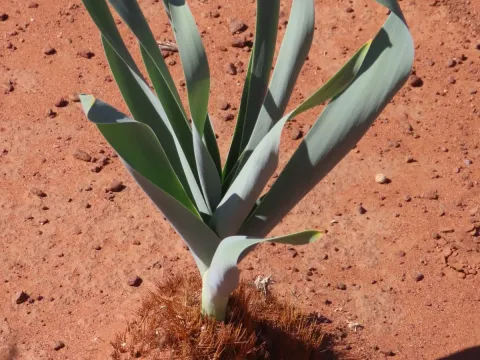
Botanically, it is recognized for its tall, robust inflorescence stems that bear pendulous, bell-shaped white or greenish-white flowers. Its leaves are strap-like and grow from the base, creating an elegant silhouette.
In terms of agricultural and horticultural use, Pseudogaltonia is strictly an ornamental crop. It is highly valued by collectors and landscape designers for its unique, architectural appearance and late-season flowering cycle.
The most significant threat to Pseudogaltonia is fungal infection caused by waterlogged soil. Excessive moisture effectively suffocates the bulb and leads to rapid decay of the basal plate.
Pest pressures primarily include spider mites, which can be problematic in greenhouse or indoor environments where air humidity is low. Occasionally, bulb mites can cause damage during storage.
Integrated pest management includes ensuring optimal airflow and monitoring soil moisture levels closely. Avoiding overhead watering is recommended to keep the foliage dry and reduce disease risk.
When selecting bulbs for cultivation, it is critical to ensure they are firm and free from lesions. Treatment with a systemic fungicide before planting is a standard practice for long-term health.
Correct winter storage is essential: bulbs should be kept in a cool, dry place with good ventilation to ensure they remain dormant without succumbing to rot until the next growing season.