
Puschkinia
Puschkinia
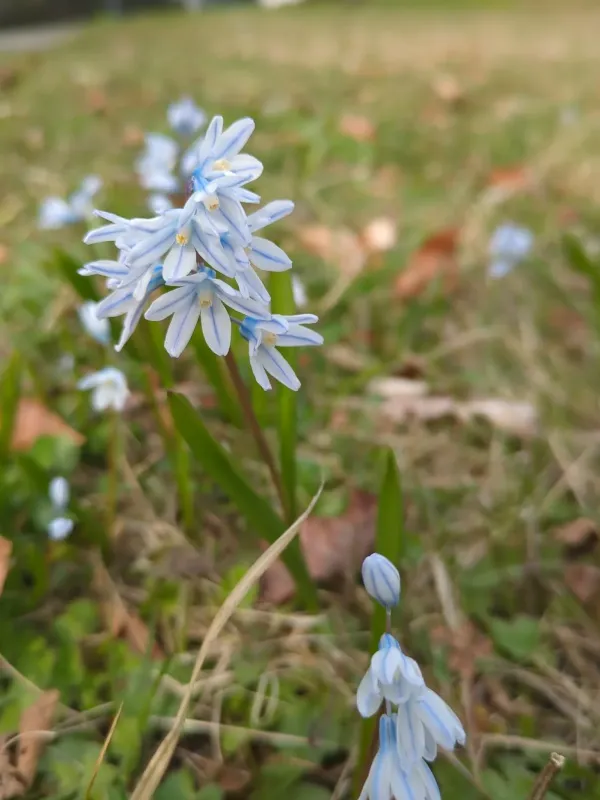
Description
Sowing dates
Puschkinia is a bulbous perennial belonging to the Asparagaceae family, typically planted in the autumn months. The ideal timing for planting is from late September to early October, ensuring the bulbs establish roots before the ground freezes.
Spring planting is generally avoided as the plant may fail to bloom during its first season. Bulbs should be planted at a depth of approximately three times their own diameter, spacing them 10–15 centimeters apart to allow for future multiplication.
The selection of the site is crucial, as the plants prefer areas that warm up early in the spring. They are well-suited for planting under deciduous trees, where they can complete their growth cycle before the canopy provides full shade.
Soil preparation involves loosening the earth to a depth of at least 25 centimeters. In heavy clay soils, it is highly recommended to incorporate sand or fine gravel to improve drainage, as stagnant water is the primary cause of bulb failure.
After planting, applying a layer of mulch such as compost or peat helps protect the bulbs from temperature fluctuations during the winter and preserves soil moisture during the critical spring growth period.
Growing requirements
Puschkinia is a robust and low-maintenance crop native to the mountainous regions of the Caucasus and the Near East. It is highly cold-hardy and adapts well to various garden conditions, provided it receives adequate spring sunlight.
The plant thrives in nutrient-rich, loose, and well-drained soils. Ensuring proper drainage is essential for the long-term success of the bulb, as consistent moisture without aeration can lead to root rot and other physiological issues.
Fertilization should be managed during the active growth phase. An application of nitrogen-rich fertilizer in early spring supports foliage development, while a potassium-phosphorus mix prior to flowering promotes strong stems and bulb vitality.
Regular watering is beneficial during dry spring weather, but irrigation must be significantly reduced once the flowering phase ends. Allowing the bulb to enter a dry dormant state in the summer is vital for its cycle and health.
Keeping the area free of weeds is necessary for optimal growth. Weeding not only reduces competition for nutrients but also allows for better gas exchange in the soil, which is a major factor in maintaining a healthy bulb population.
Main diseases and pests
The primary threats to Puschkinia are rooted in moisture management. Excessive water retention in the soil frequently leads to fungal pathogens like gray mold and various forms of bulb rot, which can destroy the root system.
Pests such as bulb mites may occur, often associated with infected planting material or poor soil conditions. Treating the bulbs with a suitable fungicide or insecticide before planting is a standard preventative measure in modern agriculture.
Rodents, particularly mice, can cause significant damage to the bulbs during the winter dormancy period. The use of protective underground mesh or repellent planting strategies is often employed to mitigate these losses in vulnerable areas.
Plants affected by nematodes or severe decay should be removed and destroyed immediately. It is critical not to compost infected plant material to prevent the spread of diseases to other areas of the garden or field.
Crop rotation and replanting every five years help maintain a high standard of plant health. Regular monitoring and selecting only firm, undamaged bulbs for autumn planting significantly reduce the risk of large-scale disease outbreaks.
Harvesting
Bulbs are harvested after the foliage has fully yellowed and dried, which typically occurs in early summer. This timing ensures that the bulbs have successfully completed their nutritional cycle for the year.
Upon harvesting, bulbs are gently cleaned and dried in a well-ventilated, shaded area. Avoid direct sunlight, which can damage the outer scales of the bulb and lead to dehydration or susceptibility to rot.
Once dried, the bulbs are sorted to remove any that show signs of damage or decay. Healthy bulbs are then stored in a cool, dark place with good air circulation at a temperature of around 15–18 degrees Celsius until replanting time.
Dividing clusters is an important cultural practice that prevents overcrowding. It is recommended to separate the offsets every few years to encourage vigorous growth and ensure consistent flower quality across the entire planting bed.
The harvest and storage phase is critical for the long-term sustainability of the crop. Proper handling during this period ensures that the bulbs remain viable and capable of producing vibrant flowers in the subsequent growing season.