
Autumn squill
Prospero autumnale
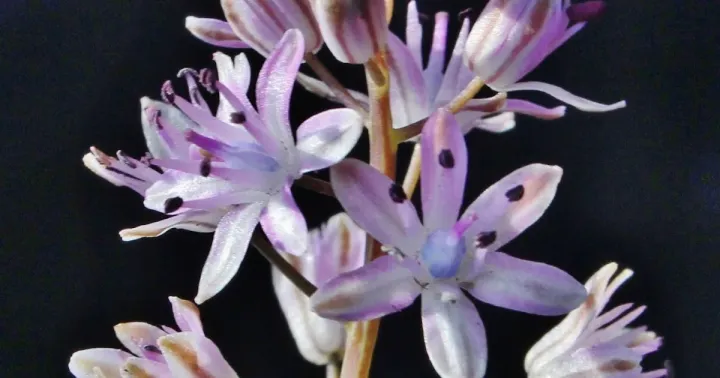
Description
Growing requirements
Autumn squill (Prospero autumnale), a member of the Asparagaceae family, is a distinct perennial bulbous plant known for its late-season flowering cycle which defies the typical spring-flowering habit of the genus.
Native to the Mediterranean basin, Western Europe, and parts of the Caucasus, this species thrives in open meadows, rocky slopes, and well-drained grasslands that receive abundant sunlight throughout the day.
The cultural requirements dictate the use of sandy or gritty soil types with excellent permeability, as stagnant moisture is the primary factor limiting the survival of the bulbs during their dormant phase.
It prefers a Mediterranean-type climate with warm, dry summers that facilitate the maturation of the bulb and the initiation of flower spikes that emerge from the bare ground in late August or September.
While highly drought-tolerant once established, the plant requires adequate moisture during the early spring vegetative phase when foliage is actively produced to store energy for the subsequent autumn bloom.
Main diseases and pests
The primary threats to the health of Prospero autumnale include fungal pathogens such as Fusarium wilt and basal rot, which predominantly affect the bulb when grown in water-logged or heavy clay conditions.
Pests like the onion fly larvae can cause significant damage by burrowing into the bulbs, while small rodents often graze upon the nutrient-rich underground storage organs during the winter months.
Nematode infestations can lead to stunted growth and irregular foliage development, significantly undermining the aesthetic value and long-term viability of the plant populations in the garden.
Effective management strategies emphasize site selection with optimal soil aeration and the avoidance of high-nitrogen fertilizers which can promote soft growth susceptible to secondary infections.
Integrated pest management should be employed, utilizing cultural controls first and resorting to chemical intervention only when biological indicators suggest high infestation levels that threaten plant survival.