
Prospero corsicum
Prospero corsicum
Description
Growing requirements
Prospero corsicum is a perennial bulbous plant belonging to the Asparagaceae family, subfamily Scilloideae. It is a distinctive endemic species native specifically to the Mediterranean island of Corsica.
The plant thrives in well-drained, gritty, or sandy soils that mimic its natural rocky habitat. It is highly adapted to a climate characterized by mild, wet winters and hot, dry summers.
In terms of cultivation, Prospero corsicum requires a sunny position to ensure proper development of the flower spikes. Providing excellent drainage is critical to prevent water stagnation, which is fatal to the bulbs during their dormant period.
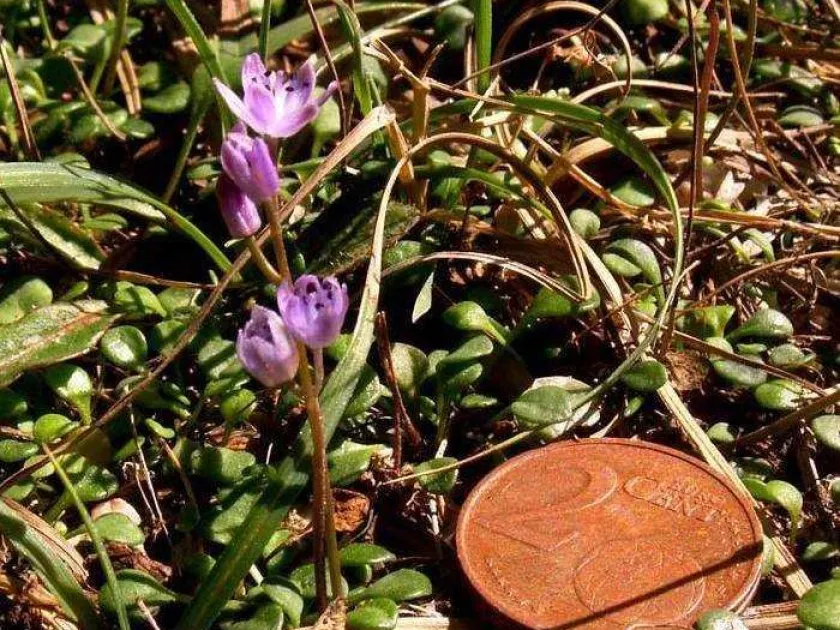
Botanically, it features narrow, linear leaves that typically emerge in autumn alongside the flowering scape. The flowers are small, often arranged in loose racemes with shades ranging from pale blue to violet-pink.
As a specialized bulbous crop, it requires minimal intervention once established, provided the environmental conditions closely match its Mediterranean origin, emphasizing a strict dormant summer phase.
Main diseases and pests
The primary horticultural challenge with Prospero corsicum is managing soil moisture. Overwatering during the summer dormancy phase is the most common cause of bulb rot and fungal infection.
Fungal pathogens such as Fusarium species pose a significant threat to the bulbs if the planting substrate remains consistently wet or poorly aerated.
Pests such as thrips and bulb mites can damage the foliage and the neck of the bulb, especially when grown in protected environments or greenhouses with limited air circulation.
Regular sanitation, including the removal of dead foliage and the application of preventive fungicide treatments, is essential for maintaining a healthy collection of these bulbs.
Using sterile potting mixes and ensuring proper spacing between plants can help reduce the transmission of diseases and improve the overall vigor of the cultivation.