
Paradisea lusitanica
Paradisea lusitanica
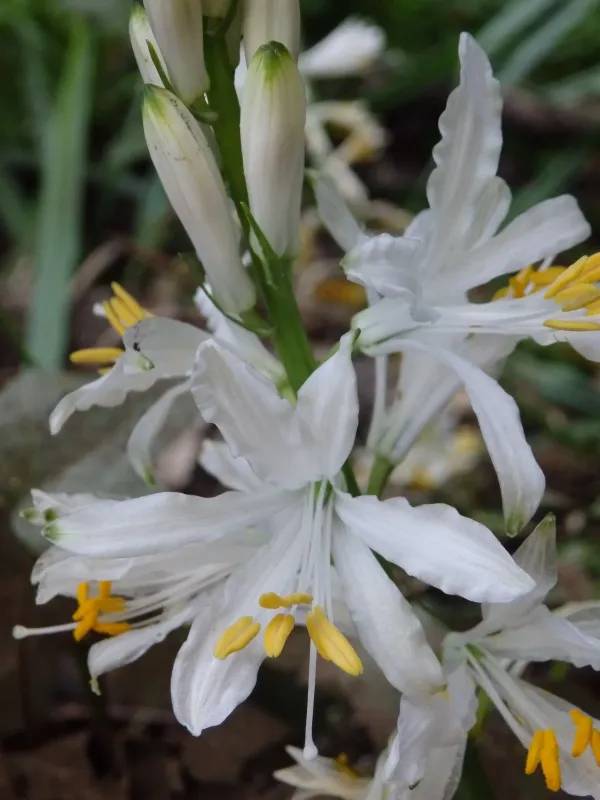
Description
Sowing dates
Seeds of Paradisea lusitanica are best sown in autumn in outdoor seedbeds to allow for natural stratification. This cold treatment is essential for breaking seed dormancy and ensuring uniform germination in early spring.
For indoor sowing, seeds should be placed in a damp substrate and refrigerated for several weeks. Consistent moisture levels must be maintained without allowing the medium to become waterlogged.
The seeds should be covered with a very thin layer of fine soil or vermiculite. They require some light to germinate, so placing them too deeply in the soil will inhibit successful sprout development.
Seedlings develop a slow-growing root system and should not be transplanted until they are sufficiently robust. Careful handling of the roots is necessary during the move to individual pots or garden beds.
Once established, the young plants should be spaced at least 30 cm apart. Proper spacing allows for adequate airflow around the foliage, which is vital for preventing moisture-related plant diseases.
Growing requirements
This species thrives in well-drained, fertile soils rich in organic matter. A neutral or slightly acidic soil pH is ideal, as it facilitates the optimal uptake of essential nutrients by the roots.
Sunlight requirements include a position in full sun to light shade. In areas with high temperatures, protection from the direct afternoon sun helps preserve the quality of the white blossoms.
Consistent moisture is needed during the active growing season, especially when flower spikes are forming. However, the soil must be allowed to drain well between waterings to prevent root rotting.
Fertilization with a balanced, slow-release formula is recommended in early spring. Avoid heavy nitrogen applications as they encourage excessive leaf growth at the expense of floral production.
Winter protection is advised in colder climates. Applying a thick layer of mulch over the base of the plant protects the crown from frost heaving and extreme cold temperatures during winter.
Main diseases and pests
Root rot remains the most common threat, usually caused by improper soil drainage or overwatering. Maintaining a well-drained growing environment is the primary defense against these fungal pathogens.
Slugs and snails may attack the lush, green foliage during humid spring months. Hand-picking or using organic barrier methods around the base of the plants can significantly reduce such damage.
Fungal leaf spot can occasionally affect Paradisea in damp, poorly ventilated areas. Pruning away damaged leaves and improving circulation between plants helps manage and prevent the spread of infections.
Aphids can sometimes congregate on the succulent flower stems. In case of infestation, a mild insecticidal soap application is usually sufficient to clear the pest population without harming the plant.
Regular monitoring of the foliage and stems is essential for early detection of issues. A proactive approach to garden hygiene, including the removal of dead matter, keeps the plant healthy year-round.