
Paradisea
Paradisea
Description
Growing requirements
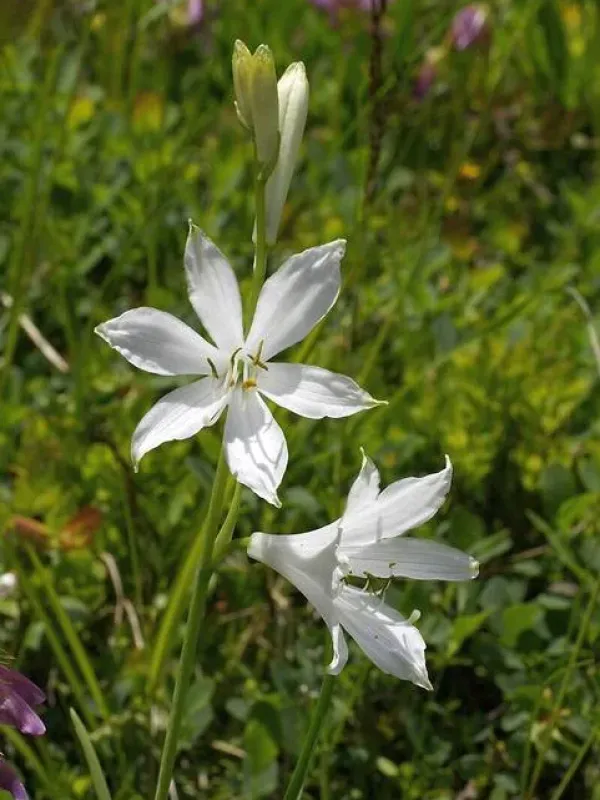
Paradisea, commonly known as St. Bruno's lily, is a genus of perennial herbaceous plants belonging to the Asparagaceae family. It is highly valued for its striking white, funnel-shaped flowers that bloom on tall, elegant spikes, providing a refined aesthetic to various garden landscapes.
Originating from the mountain meadows of Southern and Central Europe, this plant is well-adapted to cooler, temperate climates. It thrives in regions where the environment mimics its natural alpine habitat, specifically requiring moderate temperatures and consistent environmental moisture.
Successful cultivation of Paradisea depends on providing rich, well-draining soil with a neutral to slightly acidic pH. The plant performs best in locations that offer dappled sunlight or partial shade, as the intense midday sun can stress the foliage if the root zone is not sufficiently cool.
The agrotechnical requirements include maintaining a consistent moisture level during the active growth phase, specifically in late spring. Proper spacing is essential to ensure adequate airflow, which prevents the development of fungal issues often associated with poor ventilation in garden beds.
From a horticultural perspective, the plant is primarily used for ornamental purposes in rock gardens, borders, and woodland-style landscapes. Its ability to return year after year makes it a sustainable choice for gardeners interested in creating low-maintenance, long-term perennial displays.
Main diseases and pests
The most common pests affecting Paradisea are slugs and snails, which are attracted to the lush, succulent foliage of the plant. Regular monitoring of the garden bed and the use of physical barriers or organic pest controls are recommended to maintain the plant's aesthetic value.
Root rot is the primary disease threat, usually triggered by waterlogged conditions or heavy soil that lacks proper aeration. Ensuring high-quality drainage and avoiding over-irrigation are the most effective strategies for preventing soil-borne infections and maintaining healthy root development.