
Puschkinia scilloides
Puschkinia scilloides
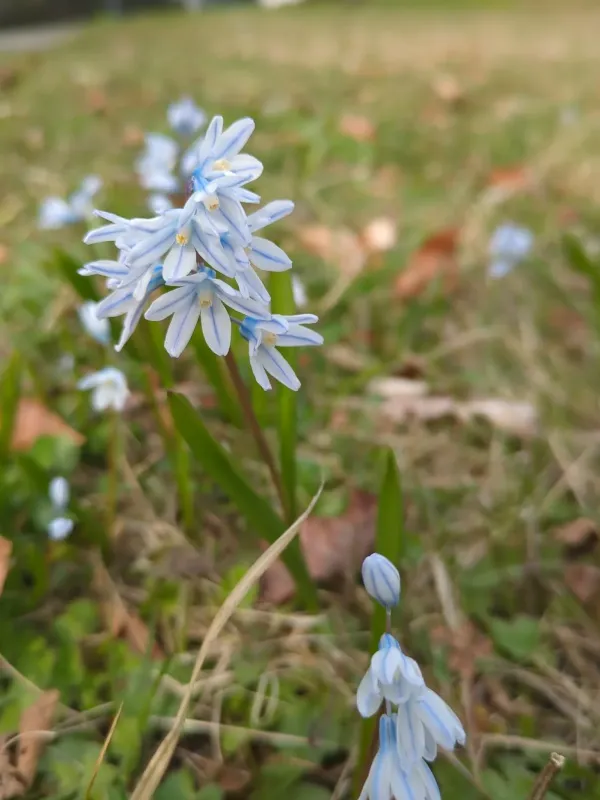
Description
Sowing dates
Planting of Puschkinia scilloides bulbs is best performed in late summer or autumn to allow for proper root development before the ground freezes.
The bulbs should be planted at a depth of 7 to 10 centimeters, ensuring they are placed in well-prepared, loose soil for optimal emergence.
Spacing between individual bulbs should be kept around 10–15 centimeters to prevent overcrowding and ensure efficient resource distribution.
As a member of the Asparagaceae family, this plant behaves as an ephemeral, focusing its biological energy on early spring growth.
Seed propagation is possible, though it requires specific conditions; seeds should be sown in the ground shortly after harvesting for better germination.
Growing requirements
Puschkinia thrives in sunny or partially shaded locations, making it an excellent candidate for planting under deciduous trees.
The soil must be fertile, well-draining, and rich in organic matter to provide the necessary nutrients for the short but intense growing season.
This species is highly cold-hardy, adapting well to a wide range of temperate climates without the need for additional winter protection.
Watering is crucial during the early spring growth period, but it is vital to avoid waterlogging, which can cause bulb rot.
Once the foliage begins to die back naturally after flowering, it should be allowed to dry completely to return nutrients to the bulb.
Main diseases and pests
The main threat to the bulbs is fungal rot, which often occurs due to poor soil drainage or excessive irrigation during the dormant phase.
Viral infections can cause stunted growth and leaf deformation, which are usually irreversible and require the removal of affected plants.
Small rodents, such as voles, are significant pests that may consume the bulbs during winter, often requiring physical barriers for protection.
Slugs and snails can target young shoots in early spring, particularly in cool, damp weather conditions that favor their activity.
Integrated pest management, including regular inspection and fungicide treatment of bulbs before planting, is essential for healthy growth.