
Plains Yucca
Yucca campestris
Description
Growing requirements
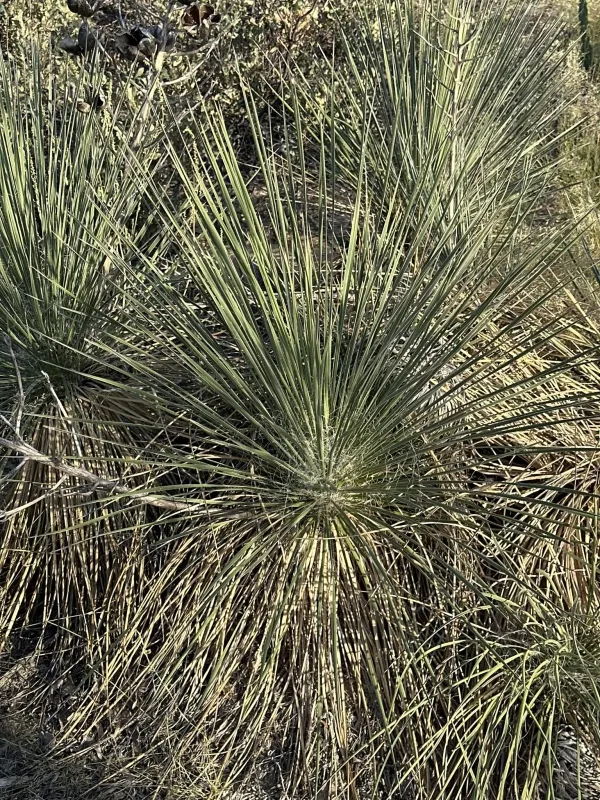
Plains Yucca (Yucca campestris) is a hardy perennial member of the Asparagaceae family, native to the sandy plains and prairies of the central United States. It is a highly specialized plant adapted to thrive in harsh, semi-arid environments.
The plant requires extremely well-draining soil to maintain its health. Sandy or gravelly soil types are optimal, as they prevent water from pooling around the crown, which is essential to avoid physiological stress in this species.
Full sun exposure is a non-negotiable requirement for the Plains Yucca. The plant performs best in open areas where it receives direct sunlight for the majority of the day, ensuring the development of its signature rigid, fibrous foliage.
Botanically, it features a low-growing rosette of leaves and produces impressive inflorescences that rise from the center. Its deep taproot system is its primary adaptation, allowing it to survive extreme drought conditions that would kill off most other vegetation.
Economically, this species is utilized in landscape restoration and erosion control programs. Its ability to stabilize sandy soils makes it a preferred choice for ecological management in dryland areas and arid horticultural projects.
Main diseases and pests
The primary threat to the vitality of Plains Yucca is root rot, typically caused by overwatering or soil compaction. When the soil remains consistently moist, the delicate root system begins to decay rapidly, leading to the collapse of the plant.
Insect pests such as yucca moths, weevils, and scale insects can impact the plant's health. While mature plants are generally resilient, significant infestations can weaken the structure and diminish the aesthetic or functional value of the yucca.
Fungal infections, particularly leaf spot, can occur if there is inadequate air circulation around the foliage. Ensuring that the plants are spaced correctly and kept free of debris is critical to maintaining a healthy, disease-free environment.
Mechanical damage to the roots or leaves during site maintenance can also invite pathogens. Care should be taken when using tools near the plant base to avoid creating wounds that could become entry points for harmful bacteria or fungi.
Integrating inert mulch like crushed rock or grit is highly recommended. This practice keeps the foliage dry and prevents the soil from splashing onto the leaves, which significantly reduces the incidence of soil-borne pathogens.