
Pseudoprospero
Pseudoprospero
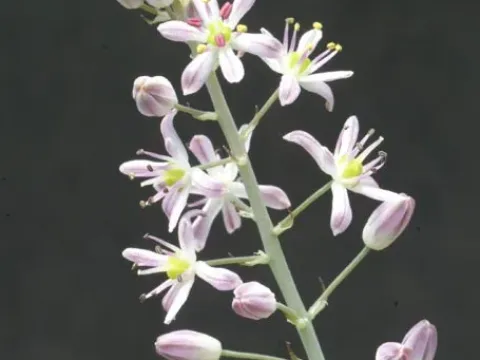
Pseudoprospero is a monotypic genus of bulbous perennial plants within the Asparagaceae family. It is a rare botanical subject primarily found in the mountainous regions of Iran. These plants exhibit the classic physiological characteristics of a spring ephemeral, completing their growth cycle quickly before dormant conditions set in.
What the section contains

Pseudoprospero
The botanical structure consists of a bulb that produces linear leaves and a simple raceme inflorescence. Its morphology is highly adapted to rocky, well-drained slopes, which dictates the fundamental requirements for successful cultivation in non-native environments or specialized greenhouses.
Agricultural success with this genus depends heavily on the substrate composition. A highly porous, sandy, or gritty soil mix is mandatory to prevent root asphyxiation and bulb rot. Proper aeration of the substrate is as important as the nutrient content, which should be kept relatively low to mimic natural mountain conditions.
Climate requirements involve a period of cold dormancy, which is essential for the maturation of the bulb and subsequent blooming. Conversely, the summer period must be characterized by drought and warmth, allowing the bulb to enter a true dormancy phase protected from excessive environmental humidity.
In terms of human use, Pseudoprospero serves primarily as an ornamental specimen for collectors of rare, bulbous mountain flora. It is not a staple agricultural crop, nor does it have significant industrial applications, but it holds great value for botanical research and heritage gardening practices.
The primary threats to Pseudoprospero cultivation are soil-borne fungal pathogens. Diseases such as Fusarium wilt and various soft rots are prevalent when moisture levels remain too high, particularly during the transition from the growing phase to the dormant period, causing irreversible damage to the bulb tissue.
Pest pressures are generally manageable but include bulb-feeding mites and dipteran larvae. Implementing rigorous hygiene in the growing environment, including sterilization of potting media and the use of preventative systemic fungicide treatments on bulbs, remains the most effective strategy for ensuring the longevity of the plant.