
Prospero elisae
Prospero elisae
Description
Growing requirements
Prospero elisae is a perennial bulbous plant species belonging to the Asparagaceae family. It is a rare botanical specimen known primarily for its localized presence within the Mediterranean region.
The native distribution of this plant is restricted to the island of Sardinia, Italy. It occupies specific niches characterized by rocky outcrops and well-drained, nutrient-poor substrates, reflecting its adaptation to challenging environmental conditions.
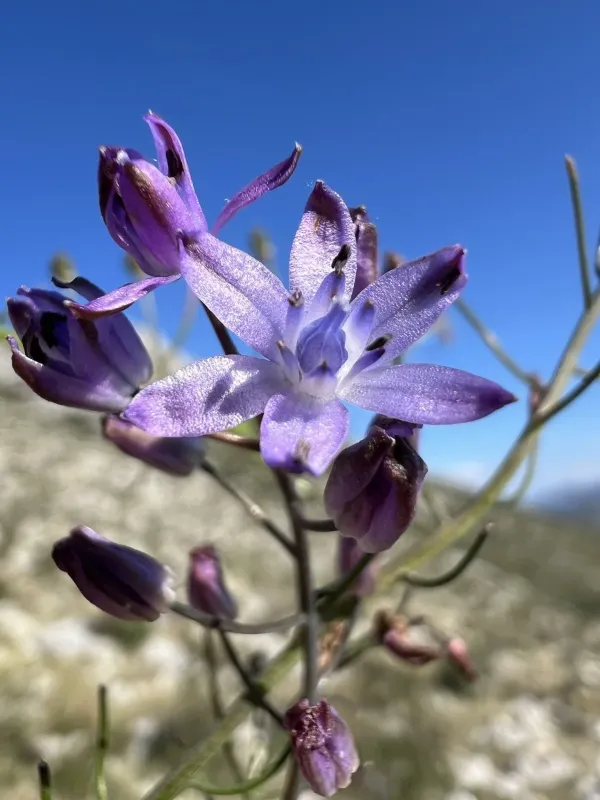
The botanical structure consists of a small, tunicated bulb that supports narrow, grass-like foliage. The inflorescence develops as a raceme, displaying tiny, delicate, star-shaped flowers that bloom in a distinct seasonal pattern.
Regarding cultivation requirements, the species demands a climate that mirrors its native range: hot, dry summers and cool, moist winters. The soil must possess excellent drainage properties to prevent physiological damage to the bulb during the dormant phase.
In terms of agricultural or economic utility, the plant is not a commercial crop. Its primary significance lies in its role in botanical biodiversity, making it a subject of interest for conservationists and specialized botanical gardens.
Main diseases and pests
The primary threats to Prospero elisae include habitat degradation and environmental shifts in its limited native range. Conservation efforts are essential to ensure the survival of the remaining populations in the wild.
Under artificial cultivation, the plant is susceptible to fungal pathogens like Fusarium or Rhizoctonia if the humidity levels around the bulbs remain consistently high. Proper air circulation and strict water management are vital for healthy growth.