
Pleomele
Pleomele
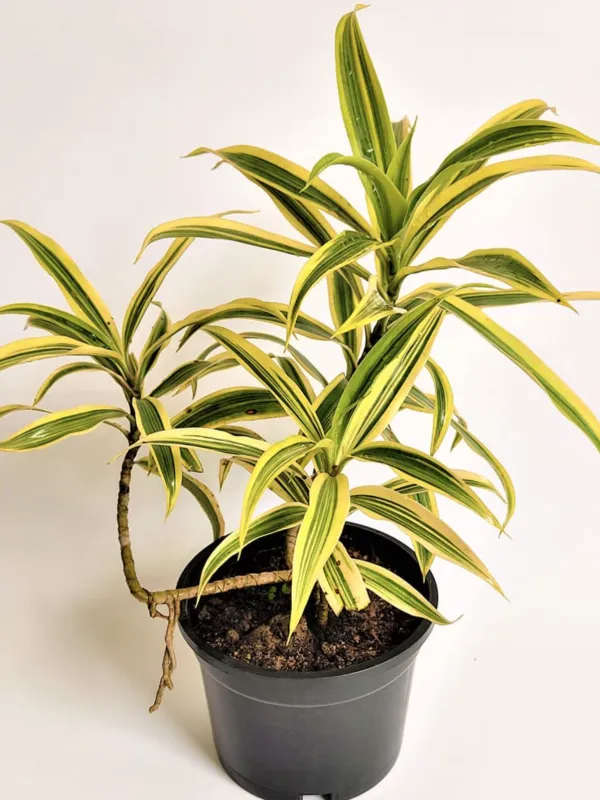
Description
Growing requirements
Pleomele is a genus of evergreen shrubs and small trees belonging to the Asparagaceae family. These plants are native to the tropical islands of the Indian Ocean, primarily Madagascar and Mauritius, where they thrive in warm and humid forest environments.
To cultivate these plants successfully, it is essential to maintain a constant temperature, ideally between +20°C and +25°C. Sudden temperature drops or exposure to cold drafts should be avoided at all costs to prevent premature leaf drop and stress to the vascular system.
The plant requires bright, filtered light to perform photosynthesis efficiently while preserving its variegated leaf patterns. Direct sunlight exposure should be limited, especially during the midday hours, to prevent the bleaching of foliage and necrotic spots.
The soil profile for Pleomele must be well-draining, nutrient-rich, and slightly acidic. A mix consisting of equal parts peat, humus, and coarse sand or perlite provides the necessary structure to avoid the compaction of roots and ensure proper aeration.
Watering requirements are based on the principle of letting the top layer of the soil dry out significantly before the next irrigation. Overwatering is the most common cause of root rot, so ensuring the container has sufficient drainage holes is mandatory for long-term survival.
Main diseases and pests
The most significant pests affecting Pleomele in controlled environments include spider mites, mealybugs, and scale insects. These pests feed on the phloem sap, leading to stunted growth and the yellowing of foliage.
Spider mites thrive in dry air, so maintaining a humidity level of 50-60% acts as a primary cultural control. If an infestation occurs, affected plants should be isolated immediately to prevent the spread to other collections.
Fungal pathogens typically manifest as leaf spot diseases or stem rot. These are often triggered by improper air circulation and the presence of stagnant moisture on the leaves, especially when temperatures are on the lower side of the optimal range.
Integrated Pest Management (IPM) practices should be employed, starting with mechanical removal of pests and progressing to systemic insecticides only when necessary. Regular scouting and cleaning of leaves help in early detection of potential outbreaks.
Root health is paramount; therefore, using sterilized soil and clean pots during repotting is a crucial preventive measure against soil-borne pathogens and fungal infections that might compromise the plant's structural integrity.