
Coccothrinax macroglossa
Coccothrinax macroglossa
Description
Growing requirements
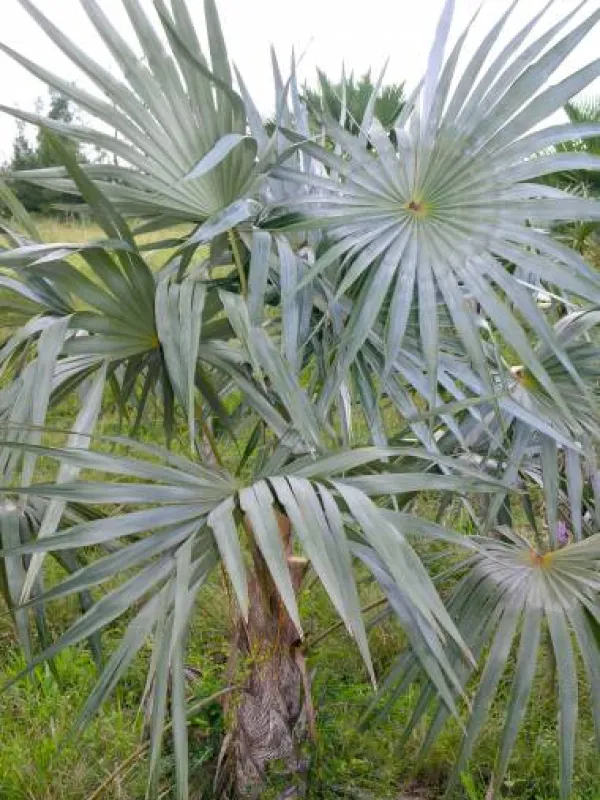
Coccothrinax macroglossa is an elegant fan palm species belonging to the Arecaceae family. Endemic to Cuba, this plant is highly prized by collectors for its distinct structural morphology and robust, stiff, palmate leaves that add a unique aesthetic to tropical landscapes.
The cultivation of this species requires well-draining soil, ideally mimicking the calcareous substrates found in its native habitat. It thrives in porous mediums that prevent water accumulation, as the roots are highly susceptible to oxygen deprivation if kept permanently wet.
Regarding climate, Coccothrinax macroglossa is strictly a tropical plant. It requires consistent warm temperatures throughout the year to maintain its metabolic functions. Exposure to freezing temperatures can cause irreversible cellular damage and structural decline of the palm.
Full sun exposure is essential for the healthy development of this palm. In interior settings or shaded nurseries, growth rates will be significantly reduced, and the plant may lose its characteristic compact foliage density, becoming etiolated.
The economic value of this crop is entirely focused on the ornamental and horticultural trade. It is used in high-end landscape design for gardens, public parks, and specialized conservatories due to its slow growth habit and architectural silhouette.
Main diseases and pests
The primary threats to this palm include fungal infections such as root rot. This usually occurs due to poor irrigation management or lack of appropriate drainage, creating an anaerobic environment that compromises the root system.
Common pests affecting this species are scale insects and mealybugs. These insects cluster under the foliage, extracting sap and weakening the plant. Regular monitoring of the underside of the leaves is necessary to maintain a healthy and vigorous specimen.