
Old man palm
Coccothrinax crinita
Description
Growing requirements
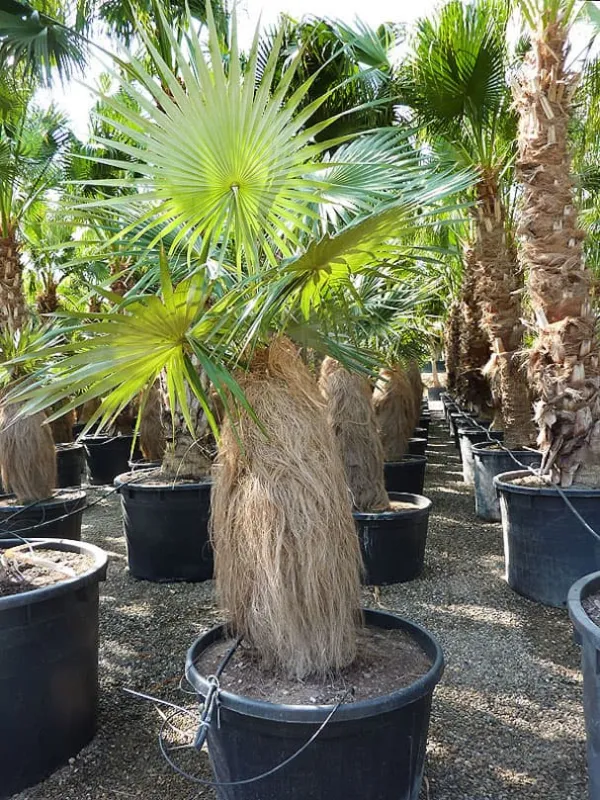
The Old man palm (Coccothrinax crinita) is a slow-growing member of the Arecaceae family, highly valued for its striking, hair-like fibers that cloak its trunk.
Native to Western Cuba, this species thrives in its natural habitat on rocky, limestone-based soils, which dictates its specific requirements for cultivation in artificial environments.
Success in growing this palm depends heavily on soil drainage. It requires a coarse, well-draining substrate that mimics its natural rocky environment to prevent root rot.
Light intensity is another critical factor; the plant demands high sunlight levels to maintain its health and characteristic structure, though young specimens may benefit from light shading.
This palm is generally recognized for its drought tolerance once established, making it a sustainable choice for appropriate climate zones or controlled conservatory environments.
Main diseases and pests
Spider mites are the most common pests for the Old man palm, especially in indoor settings where low humidity levels prevail during the heating season.
Mealybugs are known to harbor within the thick, fibrous trunk covering, making manual pest removal extremely challenging and requiring systemic treatments.
Root rot caused by stagnant water is the primary physiological threat to the plant's survival, often resulting from poor substrate drainage or over-irrigation.
Maintaining air circulation around the crown and the base is essential to reduce the risk of fungal infections that thrive in the moisture-retaining fibers of the trunk.
Regular inspections of the base and leaf stalks are recommended to ensure early detection of infestation, allowing for prompt intervention with horticultural oils or soaps.