
Coccothrinax barbadensis
Coccothrinax barbadensis
Description
Growing requirements
Coccothrinax barbadensis, commonly known as the Barbados silver palm, is a member of the Arecaceae family. This species originates from the Caribbean region, typically found in dry coastal areas where it thrives on rocky, limestone-based soils.
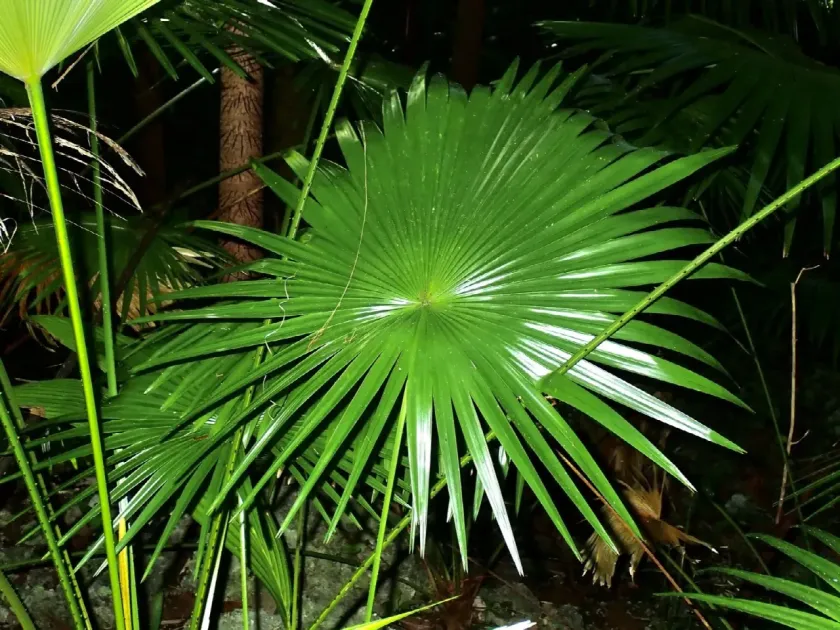
Botanically, this palm is recognized by its slender, solitary trunk and iconic fan-shaped leaves. A distinguishing feature is the silvery-white underside of the fronds, which creates a striking visual contrast against the green upper surface.
The culture demands a tropical or subtropical climate to flourish. It requires full, direct sun exposure and is highly sensitive to cold, making it unsuitable for outdoor cultivation in temperate regions where frost occurs during the winter months.
In terms of soil, Coccothrinax barbadensis requires exceptionally well-drained conditions. It is drought-tolerant once established but performs best when given consistent but moderate irrigation in a light, sandy, or stony potting medium that mimics its natural habitat.
The primary use of this palm is ornamental, highly valued in landscaping for its elegance and silver foliage. It is often planted as a specimen tree in coastal gardens or tropical landscape projects where its slow growth and unique architecture are highly desirable.
Main diseases and pests
Common pests affecting this palm include scale insects and spider mites, particularly in indoor environments with low humidity. Regular leaf inspections and light misting can prevent these infestations from becoming problematic.
Fungal leaf spot diseases may develop if the plant is kept in an environment with poor air circulation and high stagnant humidity. Ensuring proper airflow and removing affected fronds is the primary method of management.
Root rot remains the most significant threat to the plant's long-term survival, usually caused by overwatering or poor container drainage. Allowing the soil to dry out between watering sessions is essential to prevent this lethal condition.
Mealybugs can often hide in the dense crevices where the frond bases attach to the trunk. If detected, systemic insecticides or gentle horticultural soaps applied directly to the site of infestation are usually effective.
Nutritional imbalances, such as magnesium or potassium deficiency, often show up as tip necrosis or interveinal yellowing. Utilizing a balanced slow-release fertilizer designed specifically for palm trees ensures healthy growth and vibrant foliage color.