
Tromotriche
Tromotriche
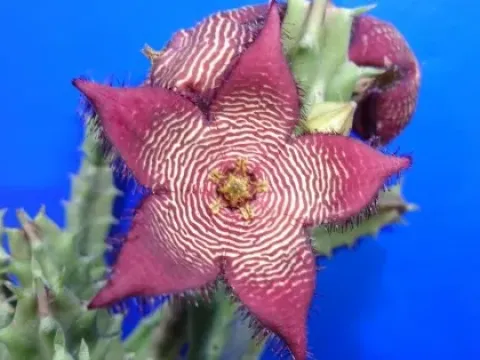
Tromotriche is a genus of succulent plants belonging to the Apocynaceae family. These plants are native to the arid landscapes of Southern Africa, where they have evolved to survive in nutrient-poor soils and under conditions of extreme water scarcity.
What the section contains


Tromotriche
Botanically, these plants are known for their fleshy, ribbed stems which serve as reservoirs for moisture. The plant structure is adapted to minimize transpiration, which is a classic trait of species inhabiting desert environments.
For successful indoor cultivation, a highly inorganic and well-draining substrate is mandatory. A mixture containing grit, pumice, and a very small fraction of organic peat or loam is recommended to mimic their natural habitat.
Light intensity is critical for maintaining the plant's structural integrity. While they love bright light, intense midday sun can scorch the stems, so filtered light or morning sun is ideal for promoting healthy growth.
Irrigation must follow a strict "soak and dry" method. During the active growing season, water thoroughly only when the soil has completely dried out; during winter dormancy, water should be withheld almost entirely to prevent root rot.
The most significant threat to Tromotriche is root and stem rot caused by overwatering or poor drainage. Once decay begins, it can spread rapidly, often leading to the complete loss of the succulent specimen.
Common insect pests include mealybugs, which tend to congregate in the deep ribs of the stems. Their presence is often detected by white, cotton-like masses, which require immediate treatment with isopropyl alcohol or systemic insecticides.
Fungal pathogens can also infect the tissue, especially when the plant is kept in humid conditions with low airflow. These infections typically manifest as dark, sunken spots that slowly grow in size.
Preventative measures include maintaining excellent air circulation around the plants and using clean, sterile soil for every repotting session. Quarantine new plants before adding them to an existing collection.
Regular monitoring of the stem base is essential. If the plant feels soft or shows signs of discoloration, it is vital to reduce humidity immediately and inspect the roots for potential damage.